
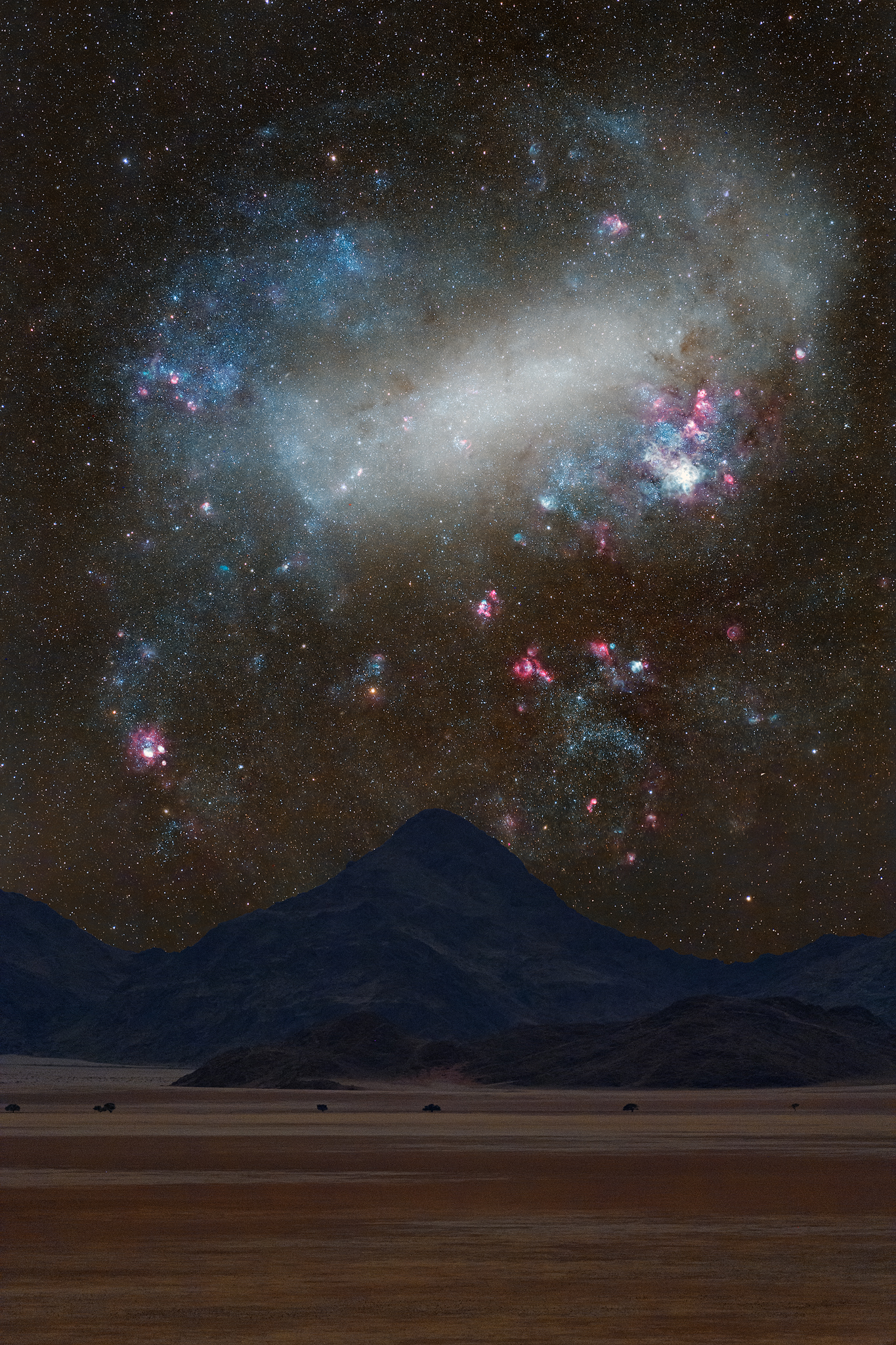
Capturing the Magellanic Clouds was one of my main targets for my Namibia vacation in 2023. While I was able to capture the deepscape of the Large Magellanic Cloud (LMC) shown below, its smaller brother was riding higher in the sky, ‘forcing’ me to capture it as a classic deep space image.
A failed imaging run
Unfortunately, things went wrong during the imaging run of the Small Magellanic Cloud (SMC). When checking the exposures back at home, I noticed that the sensor plane of my camera must have been tilted, resulting in increasingly out of focus stars from the middle to the left edge of the frames. While the right side of the exposures was better, it neither was 100% sharp, due to the breezy shooting conditions. I was very disappointed but my data was not usable for processing. A clear case for the bin.

Meet BlurXTerminator
A few month later, I learned about a PixInsight plug-in named BlurXTerminator. Developped by Russell Croman from RC-Astro, BlurXTerminator is an AI-powered deconvolution tool designed specifically for astronomical images. The process of deconvolution is kind of a dark art in astrophotography. The idea is to analyse stars in an image to calculate their ‘point spread function’, which is a measure of how blurred they are due to atmospheric turbulence. Devonvolution algorithms can not only apply this information to sharpen the stars but to the entire image, including nebulae and galaxies.
While BlurXTerminator was well received in the astrophotography community, the part about ‘AI-powered’ has caused some confusion. Some people initially thought that the AI part means that BlurXterminator adds data which wasn’t contained in the original data. This has since clearly been debunked. Without going into technical details, BlurXTerminator is one of the examples of how AI technology should work. It makes complex calculations more versatile, faster and easier without inventing anything that wasn’t in the original data.
While the above is great enough by itself, BlurXTerminator can do much more than just sharpen images. To quote the RC-Astro website:
BlurXTerminator can additionally correct for other aberrations present in an image in limited amounts. Among those currently comprehended for most instruments are:
- First- and second-order coma and astigmatism
- Trefoil (common with pinched optics and in image corners with some camera lenses)
- Defocus (poor focus and/or field curvature)
- Longitudinal and lateral chromatic aberration
- Motion blur (guiding errors)
- Seeing/scatter variation per color channel
- Drizzle upsampling artifacts (2x only)
These aberrations are not assumed to be stationary: they can vary across the field of view. This is a major advantage over most implementations of the classical deconvolution algorithms, which assume that the same PSF applies to the entire image. For example, stars with limited comatic profiles in the corners of an image will be made round and then sharpened, while stars in the center that are already round will simply be sharpened. This correction can be applied to the nonstellar features in an image, too. Correction can be done as a separate step, or in combination with sharpening.
BlurXTerminator to the rescue
Now this made me think… Poor focus/or field curvature… Motion blur… Coma… This sounded a lot like my SMC subs. Would BlurXTerminator be able to salvage the badly compromised data from that failed SMC imaging run? Hard to believe, but totally worth a try!
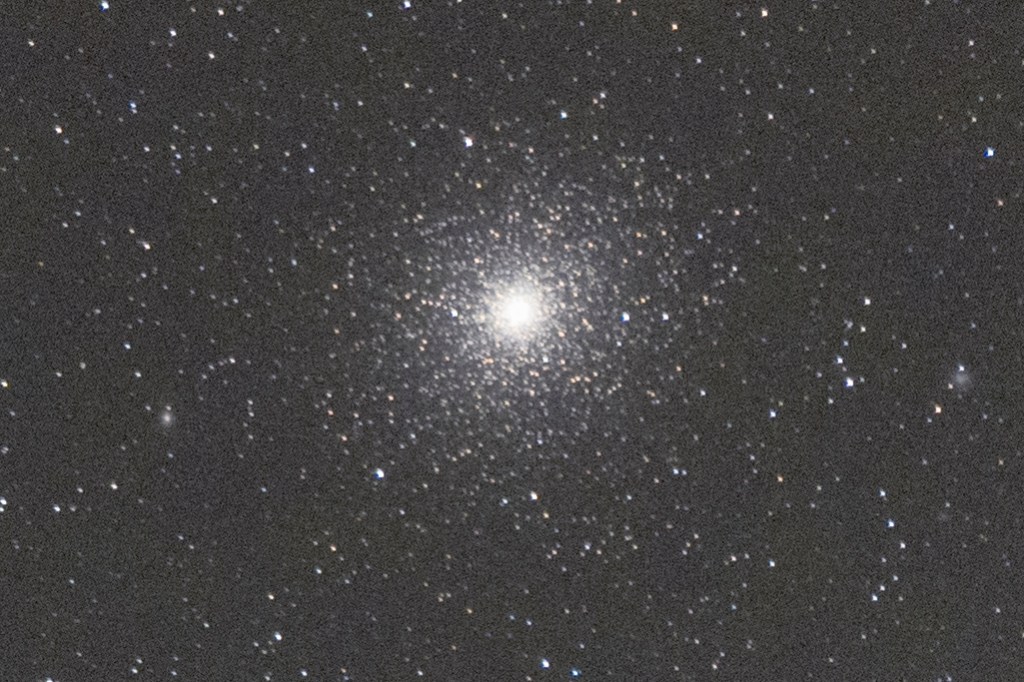
I was glad to find that I had forgotten to trash the files and after running the program on a test sub, I was pretty amazed by the result:


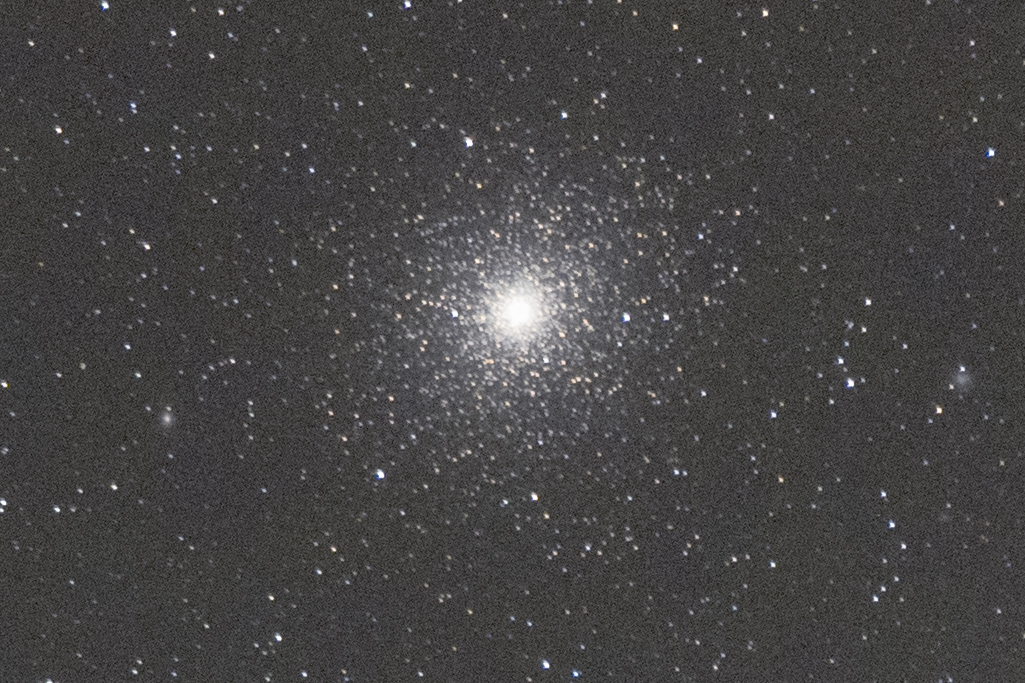

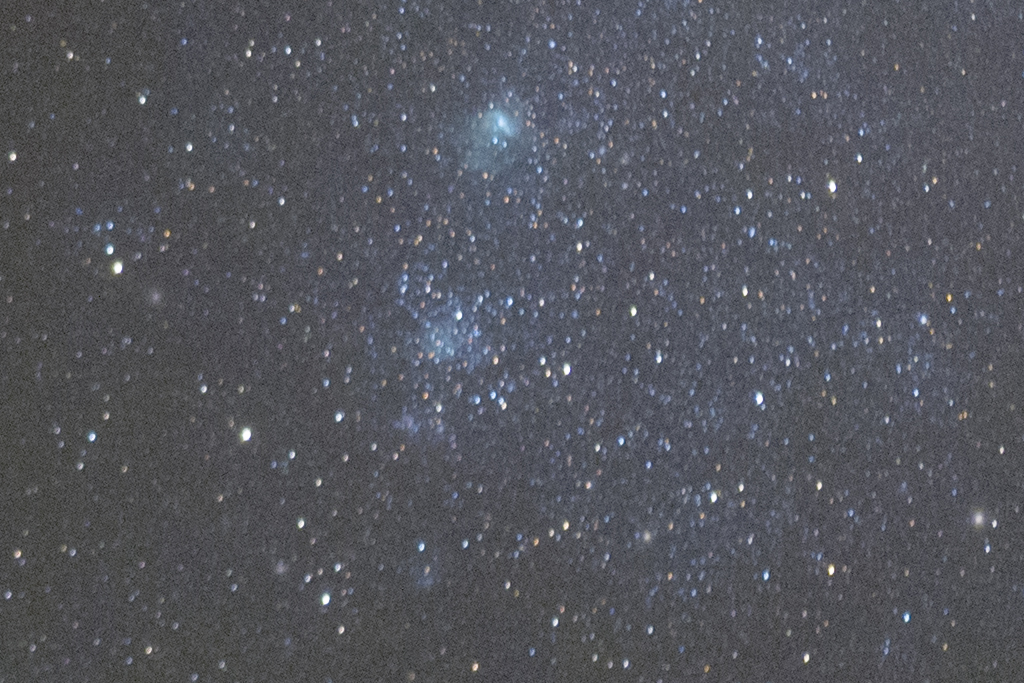
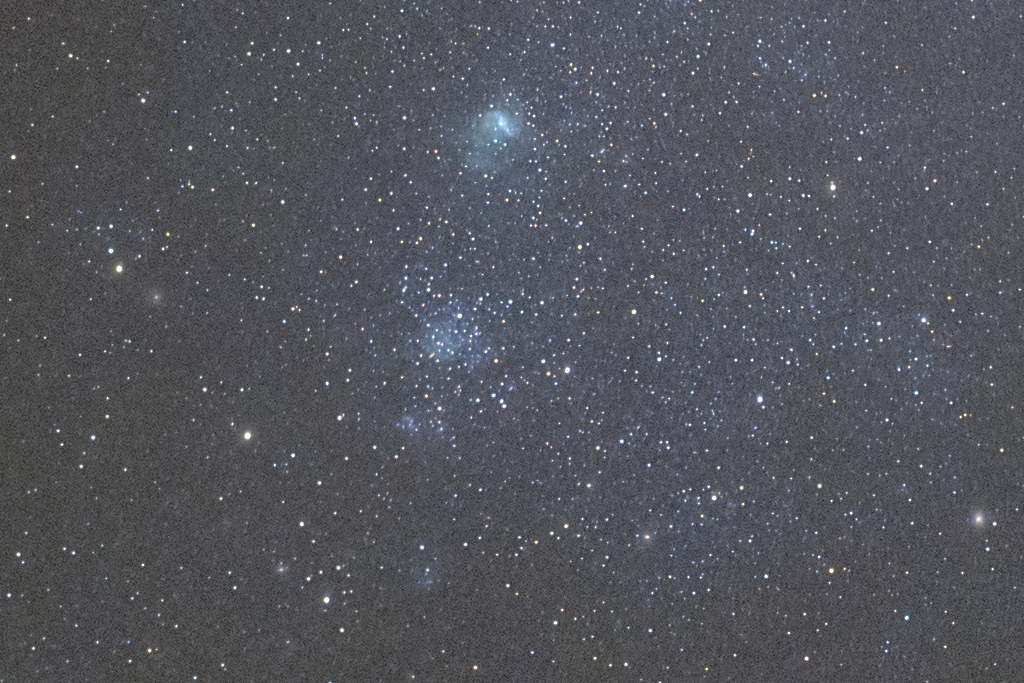
Note: not only the stars, but also the nebulae are sharpened
Pretty amazing, isn’t it? I immediately knew that the correction had saved my flawed imaging run and that I was finally able to start working on the envisioned image. Correcting the subs took a while, but thanks to PixInsights abilitiy for batch processing, I didn’t have to sit next to the computer while it wa⁸s crunching numbers.
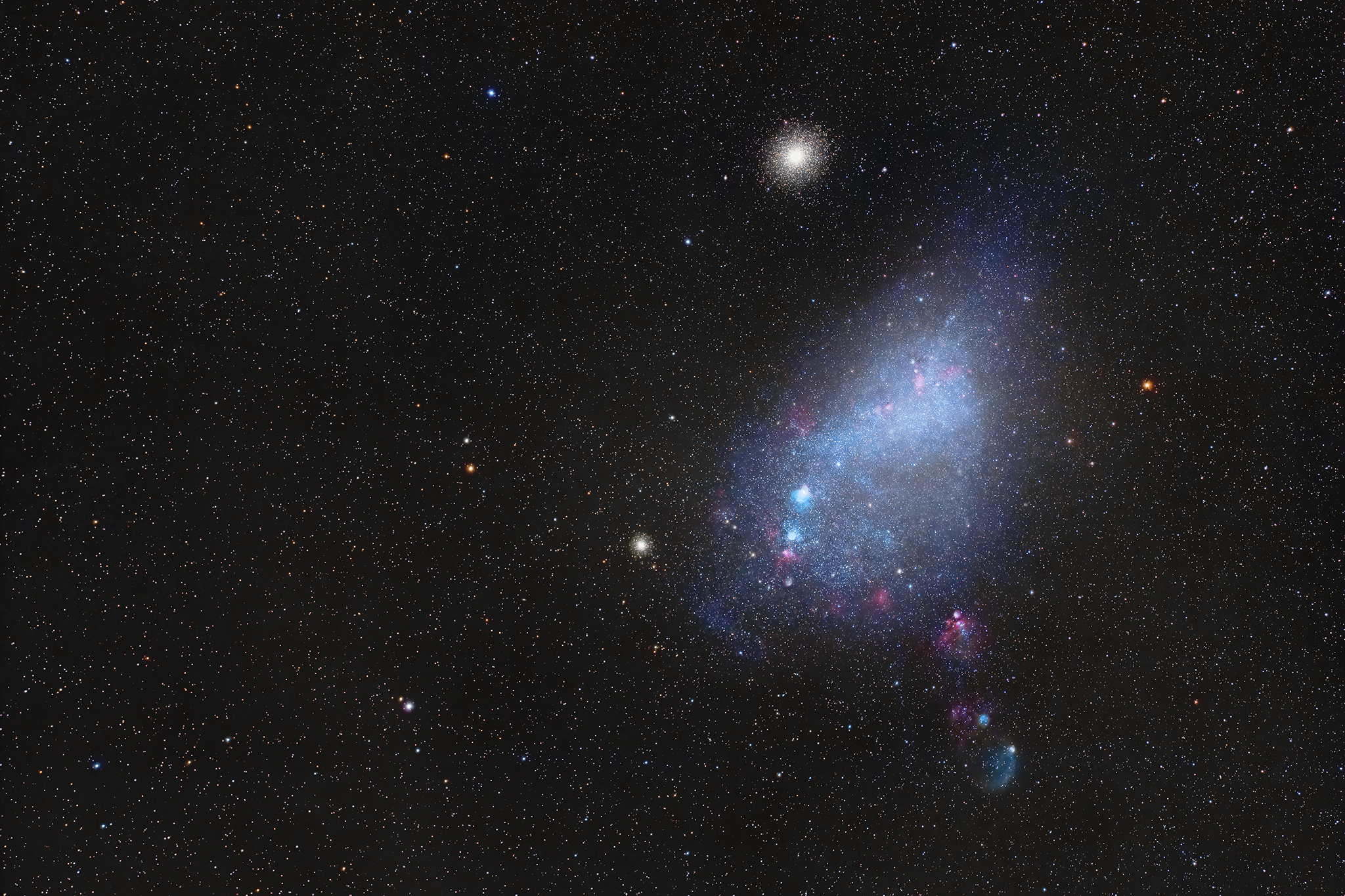
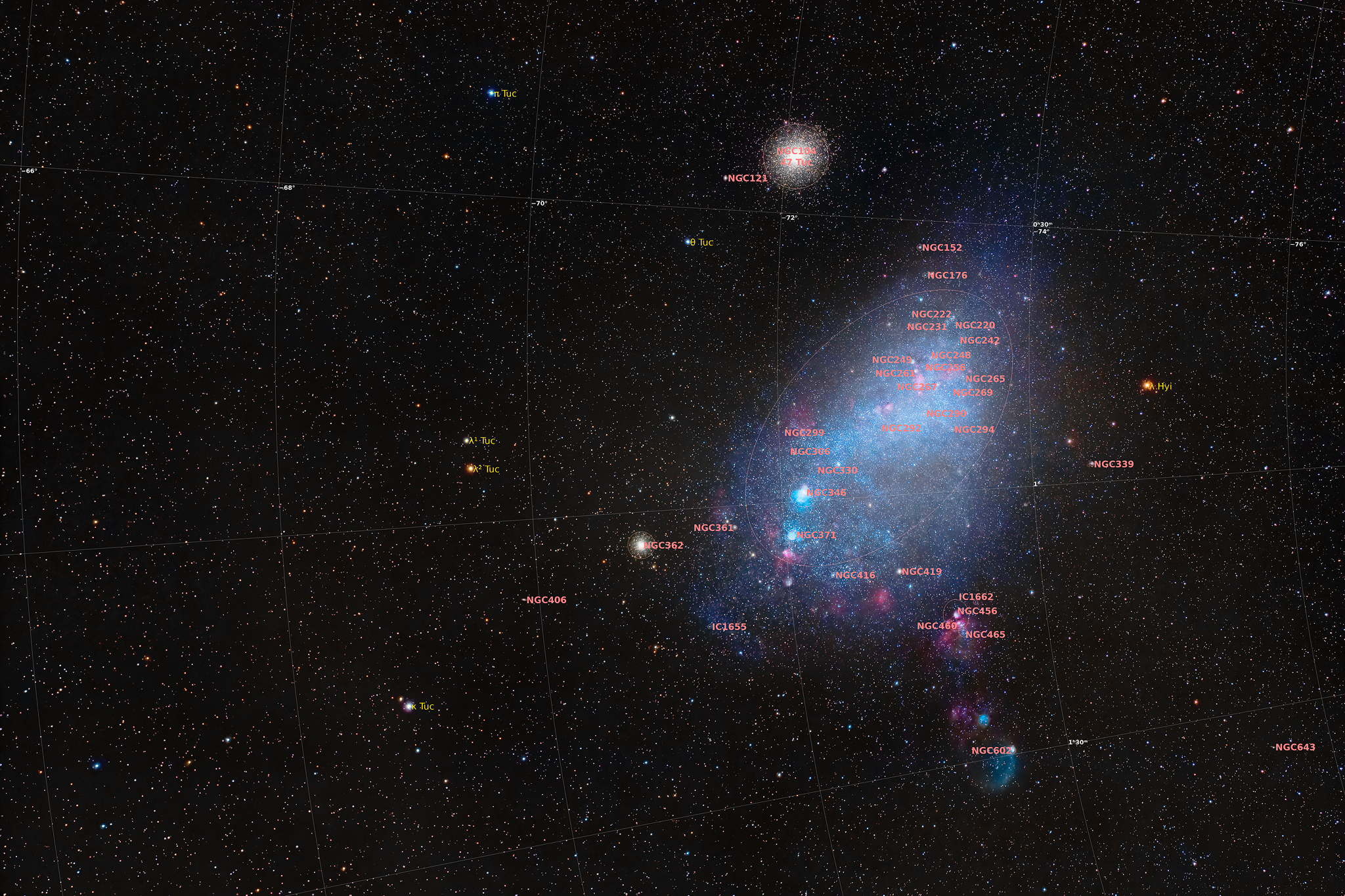
After BlurXTerminator finished doing its magic, I applied my normal processing workflow which resulted in the image below:

I still find the amount of detail I was able to extract from a small stack of badly blurred images nothing short of amazing. Of course, I could have gotten an even better result if I had acquired perfect data and especially with longer integration time but considering that it will be a while until I get another chance to image from the southern hemisphere, I am very happy with the result.
What about wide-angle skies?
After this succesful test, I also started to experiment with BlurXTerminator on my wide angle skies. Russell Croman certainly did not program BlurXTerminator with wide angle skies in mind, but I can never resist abusing deep space techniques for my wide angle nightscapes. The results were equally promising, altough BlurXTerminator does sometimes produce strange artefacts in my wide angle stacks. Fortunately, this is easily corrected by painting the uncorrected image back in, over the artifacts.
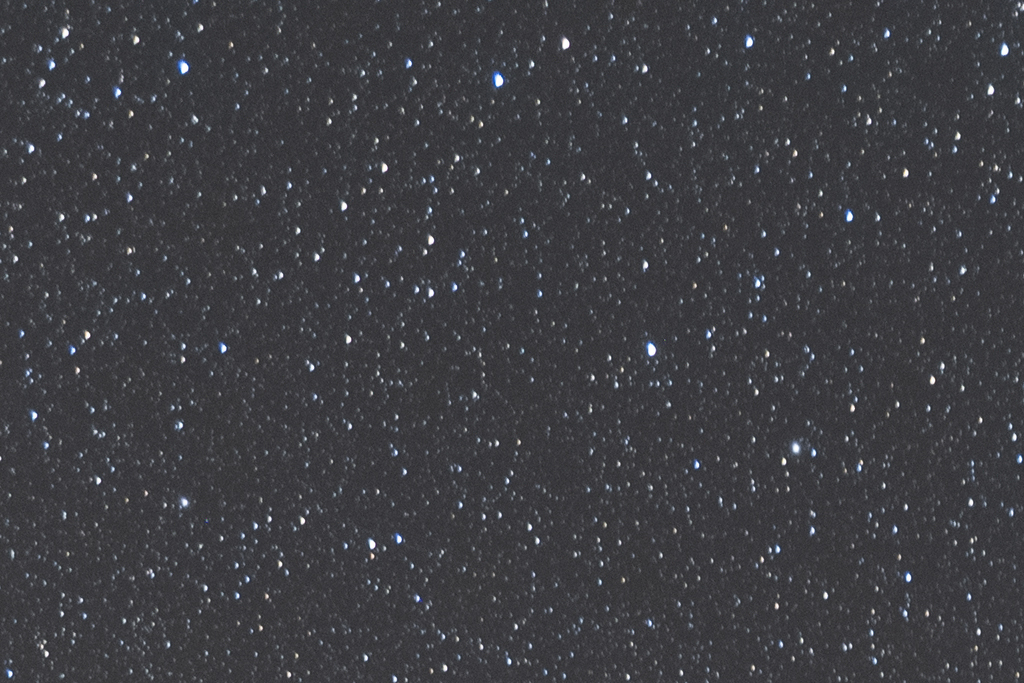
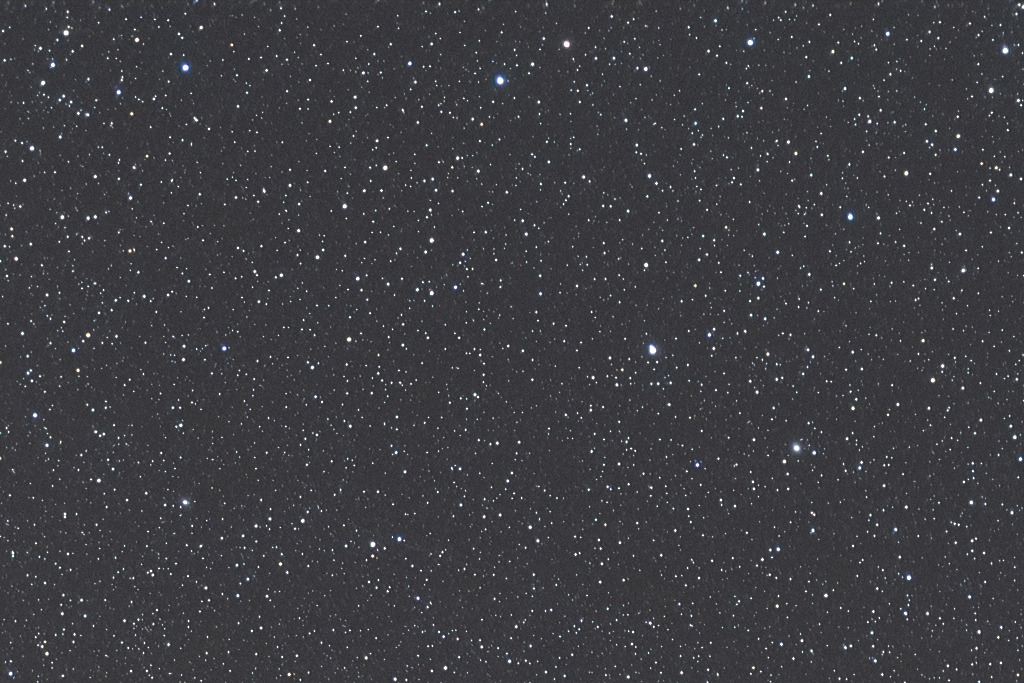
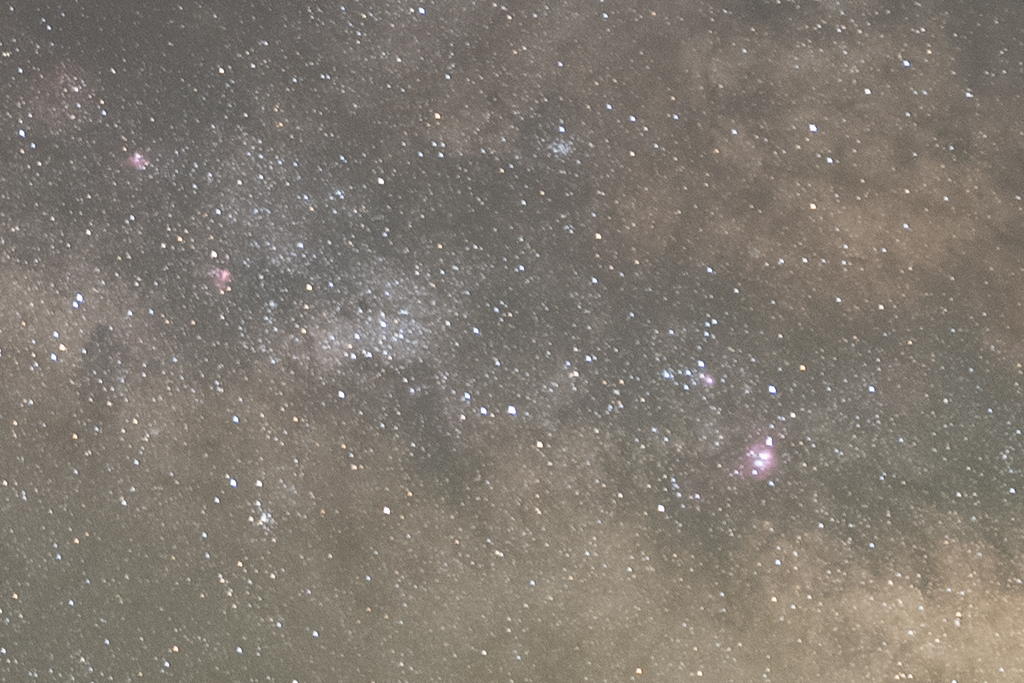

Note the increased sharpness after BlurXTerminator correction.

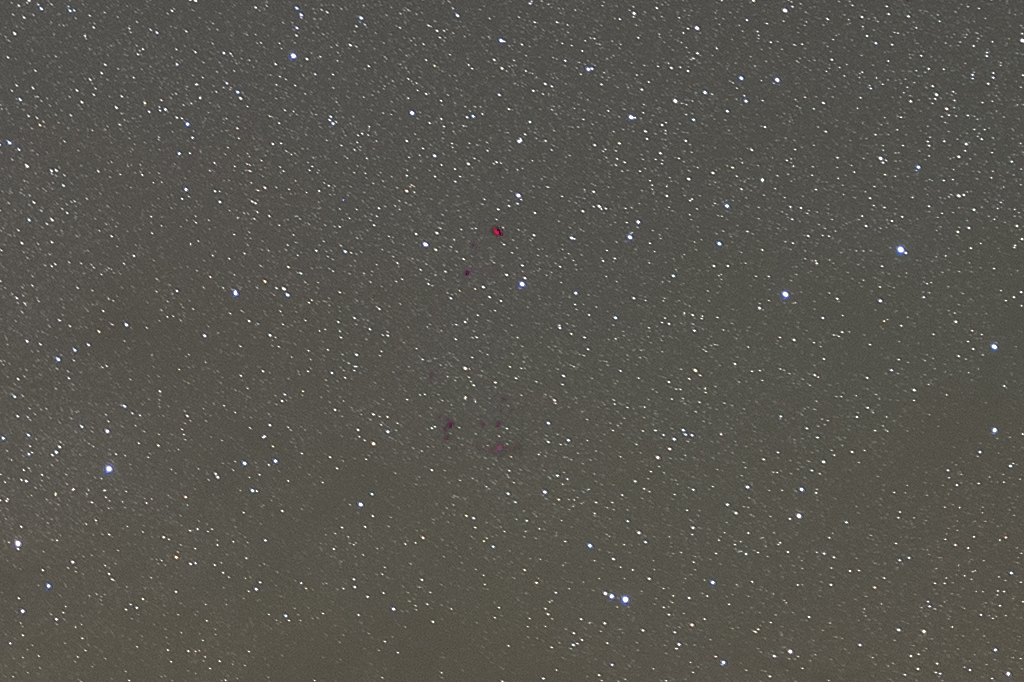
A powerful tool for any kind of astrophotography
BlurXTerminator definitely is a powerful tool to correct coma from wide angle lenses. It may even eliminate the need to buy those perfectly corrected and thus, very expensive lenses. Today, it is an important part of my editing workflow, both for deep space images and wide-angle nightscapes. It not only eliminates blur from bad atmospheric seeing. It also helps with coma and corrects for less than perfect tracking or breezy conditions. Furthermore, it fixes slight focusing errors and last, but not least, it helps producing seamless panorama stitches, as differently distorted stars are traditionally a dead giveaway for stitching boundaries.

The sky stacks were corrected with BlurXTerminator before stitching to produce a seemless result.
 Skypointer Photography Blog
Great article. Any way to run BlurXterminator without also having to purchase a copy of PixInsights?
LikeLike
Unfortunately, BlurXTerminator is only available as PixInsight plug-in. This is because deconvolution is a very complex task that is not supported by many other processing programs.
LikeLike
Thanks for sharing. What a powerful tool for improving astro photography images. It makes me think I should take on board PixInsight now.
LikeLike
I am glad that you like the article, Arnaldo. Not only BlurXTerminator is very powerful, but the same is valid for PixInsight. On the other hand, it is extremely complex (PixInsight, not BlurXTerminator). Fortunately, you can test a fully functional version of PixInsight for 40 days. I recommend doing this, but only if you really have spare time to work with the program. There are many good online tutorials available.
LikeLike