
Update as of January 2024:
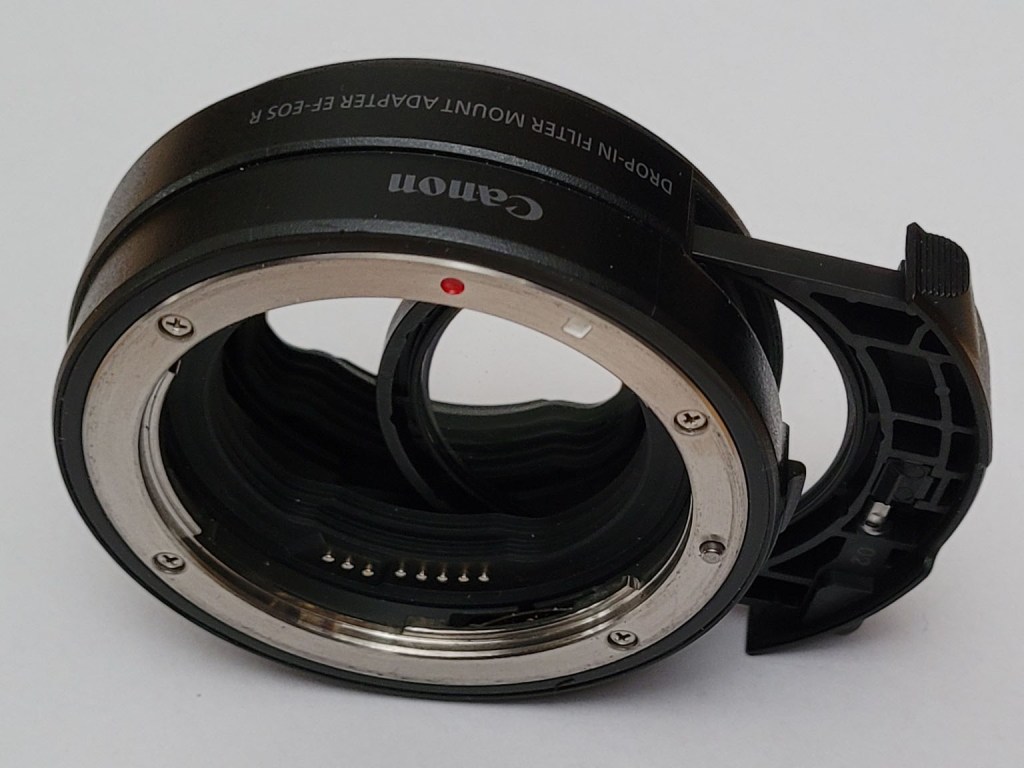
The IDAS NB12 DR filter has been discontinued. It is replaced by the NBZ-II DRE, which is fully compatible with the original Canon EF-EOS R drop-in adapter:
https://idas.uno/space/en/IDAS/nbz-ii.htm
This is currently the best way to shoot narrowband with a Canon mirrorless RF-mount body. As it requires the use of the EF-EOS R drop-in adapter, EF-mount lenses have to be used. The newer mirrorless RF-mount lenses cannot be used with this solution.
In my article about narrowband filters in landscape astrophotogrphy, I wrote about the limited availability of filters for the native Canon EF-EOS R adapter. My preferred filter, the IDAS NBZ, for example, is only compatible with a third party adapter which does not communicate with the camera.
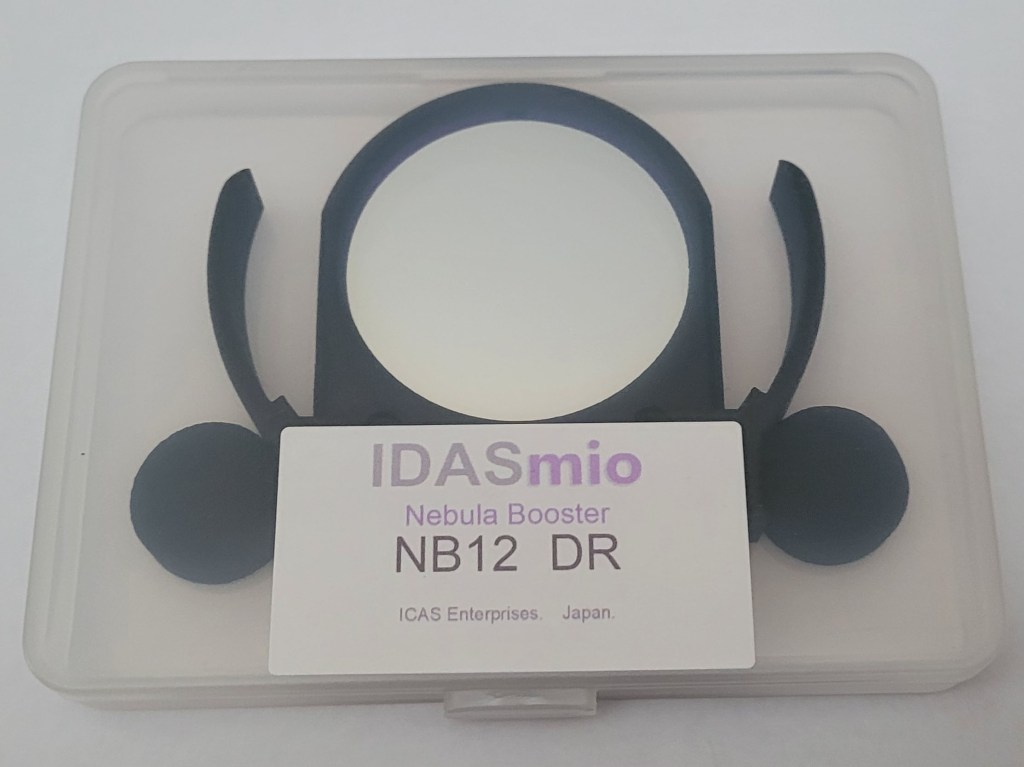
Recently, I found that Hutech Corporation sells a new filter, the IDASmio NB12 DR, which is available as drop-in filter for the original Canon EF-EOS R adapter and is marketed to be parfocal with the Canon Clear Filter. Now this sounds pretty good, but how does the new filter perform and compare to the IDAS NBZ? Let’s find out.
Before I start with this review, please note that I fully payed for both my IDAS NBZ and NB12 filters and that I am not connected with Hutech Corporation in any way, except being one of their customers.
Passband
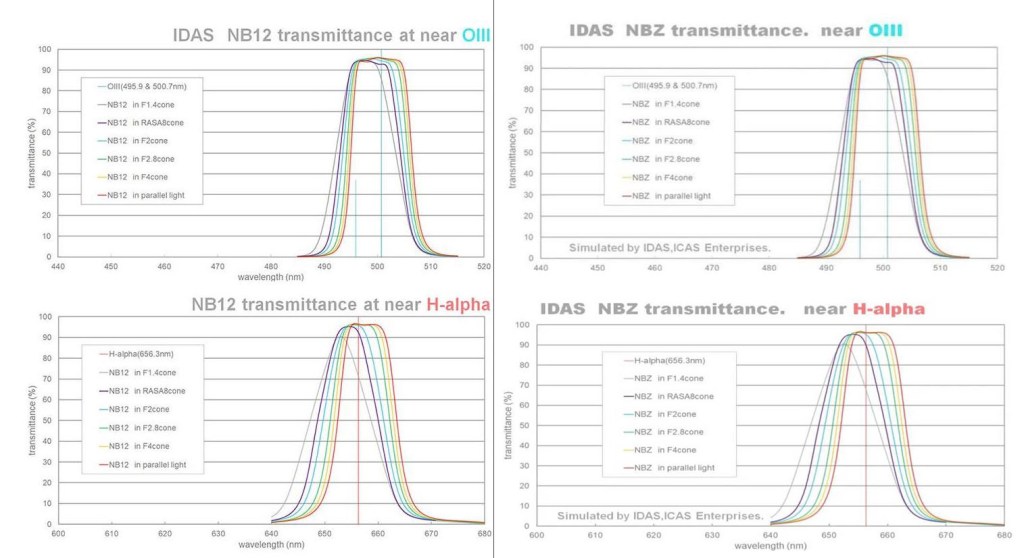
After some research, I found that the specs of both the NB12 and the NBZ seem to have a 12nm passband for the H-alpha and Oiii lines of emission nebulae. Actually, the graphs are so identical that the NB12 seems to be a copy paste of the NBZ. This looks suspicious to me. Did they just relabel the NBZ graphs or are the filters indeed absolutely identical? Let’s do a real life test…
Test Conditions
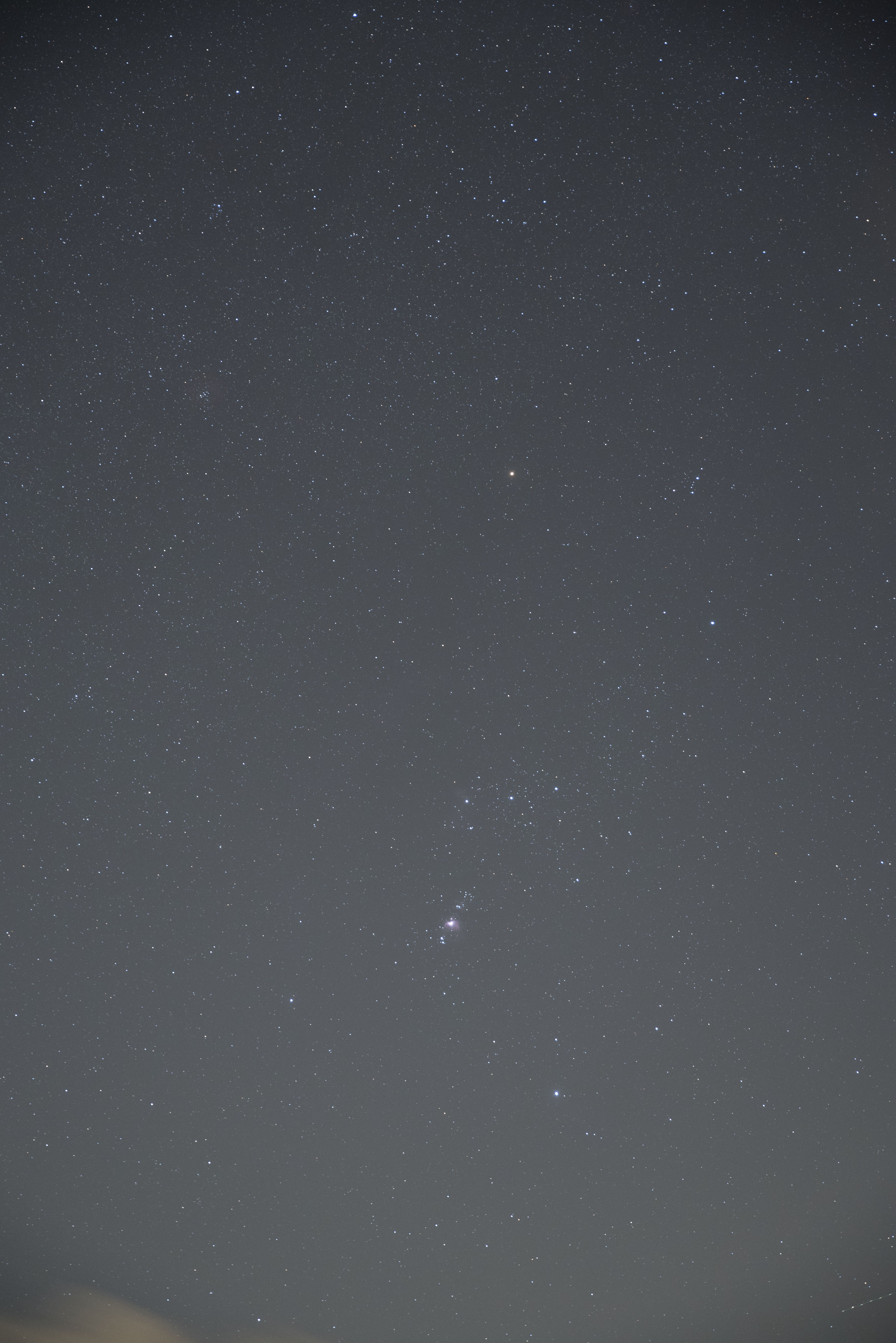
As usual when you buy new equipment, I was clouded out for about a month after receiving my NB12, but a few nights ago, a short break in the cloud cover allowed me to do a quick test. The conditions were far from perfect, with occasional clouds passing through, a 14% illuminated Moon in the sky, and my backyard being in a bortle 5 zone. None of this is ideal for astrophotography, but I was curious to see what my narrowband filters are able to achieve under such conditions. As I also own an IDAS NB1 tri-band filter with broader passband (Hβ, Ha & Oiii), I threw this one into the challenge as well.
All images in this test were captured with my custom modified Canon EOS R and a Canon EF 24-70 f/2.8 L ll lens. The focal length was 50mm and the aperture wide open at f/2.8. Tracking was done with an iOptron Skytracker Pro.
The Clear Filters
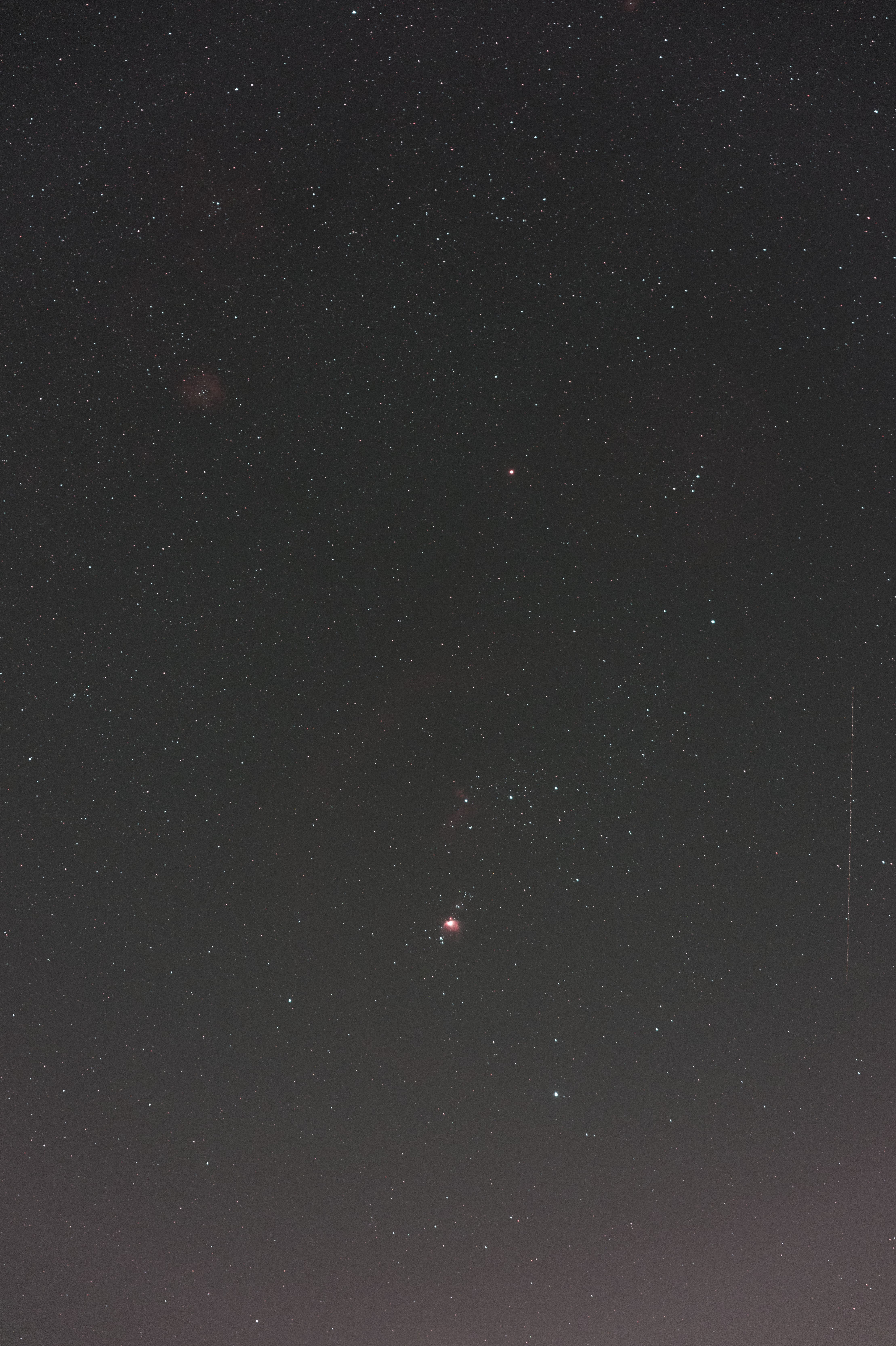
Narrowband filters throw off color balance beyond repair and I highly recommend shooting both filtered and unfiltered exposures, which can be combined during post processing for more realistically colored stars and sky backgrounds. For the unfiltered exposures with a drop-in adapter, you need a parfocal clear glass filter for the ‘unfiltered’ subs. The first question, therefore, was whether the IDAS ODW Clear filter (used with the adapter for the NBZ) and the Canon Clear Filter (used with the native Canon adapter for the NB12 and the NB1) can cause any differences. My answer to this is a confident no. As you can see, both the SOOC RAWs and the processed images look identical, except for the different clouds.
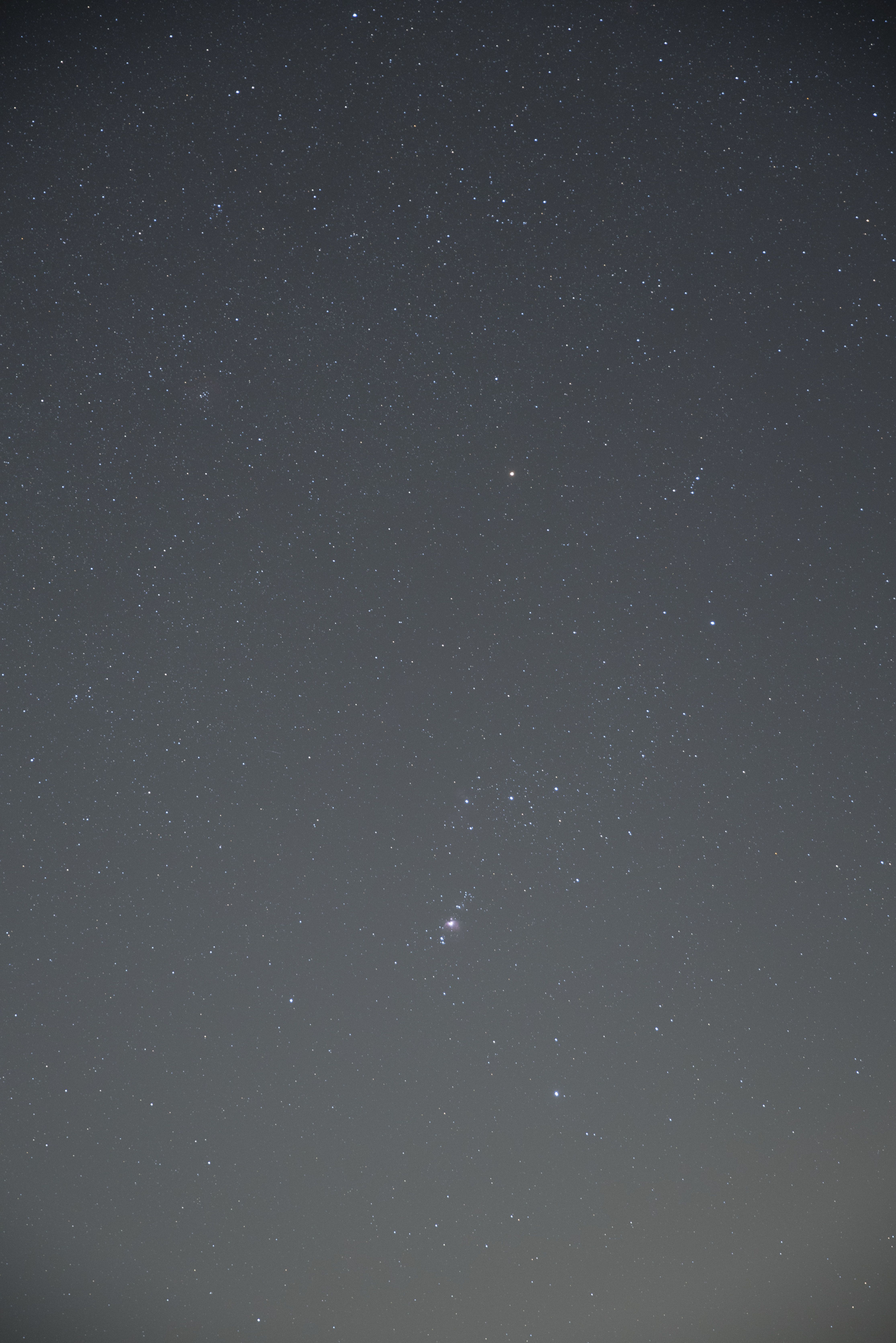
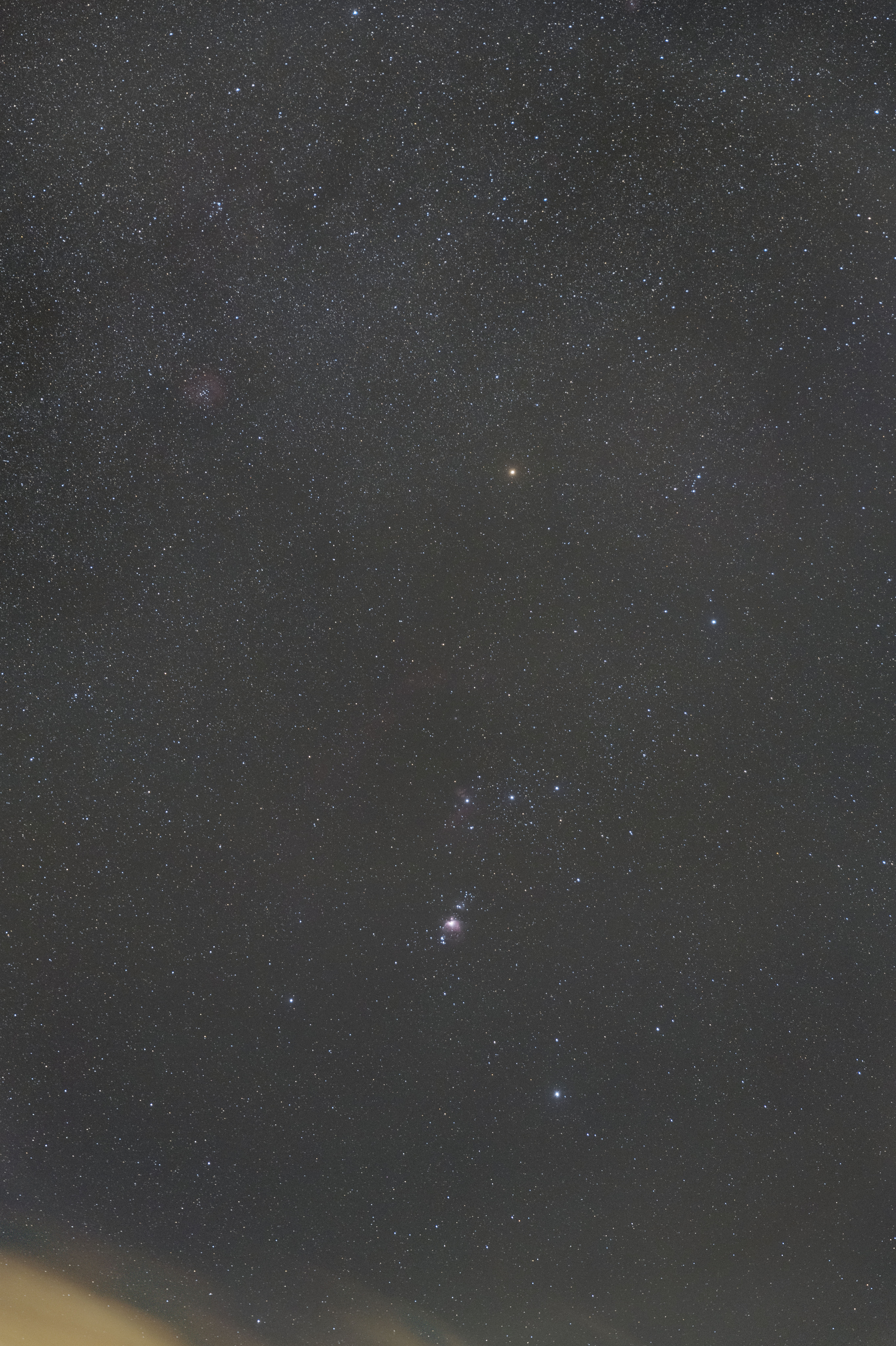
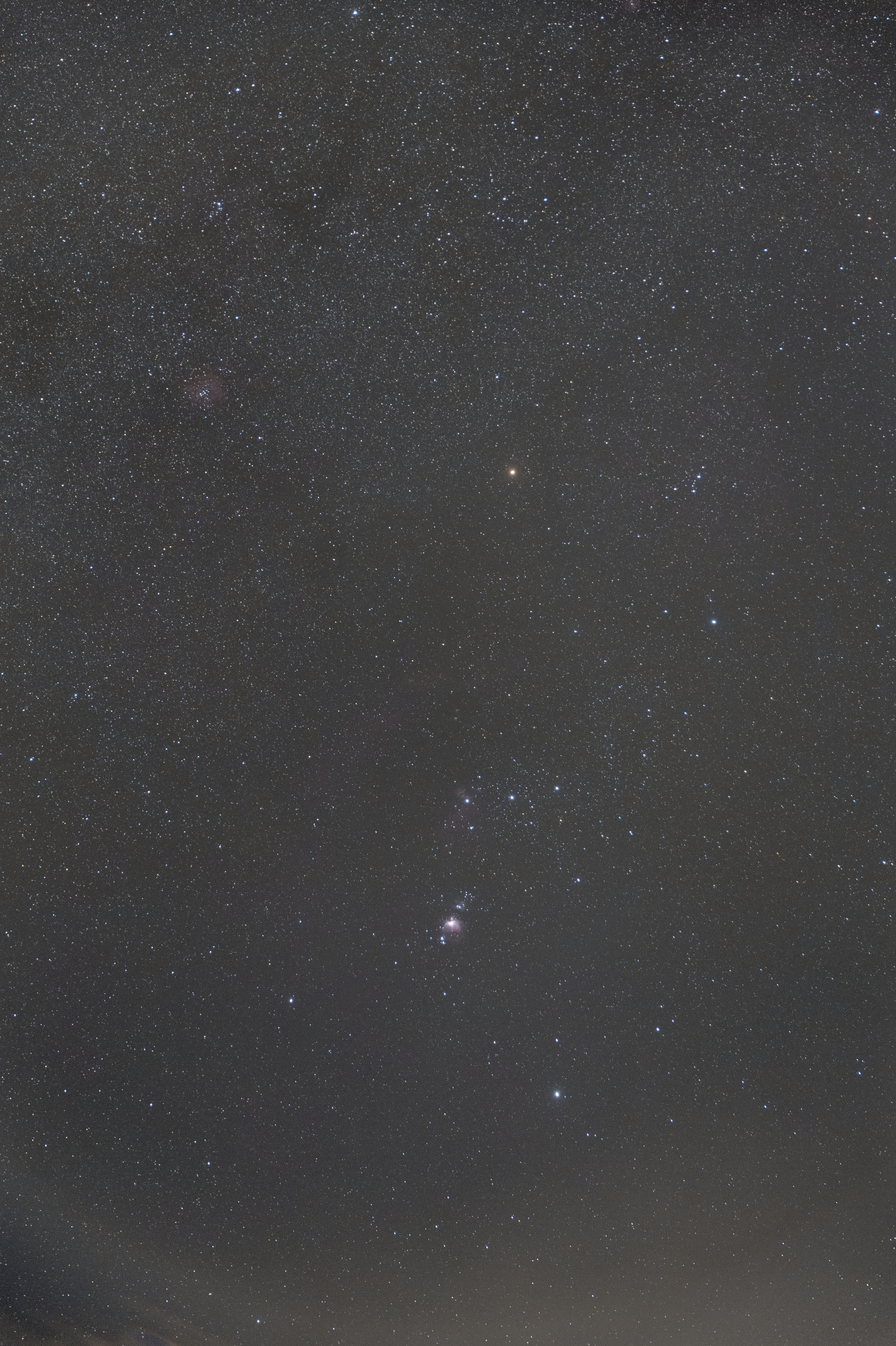
SOOC Filtered Images
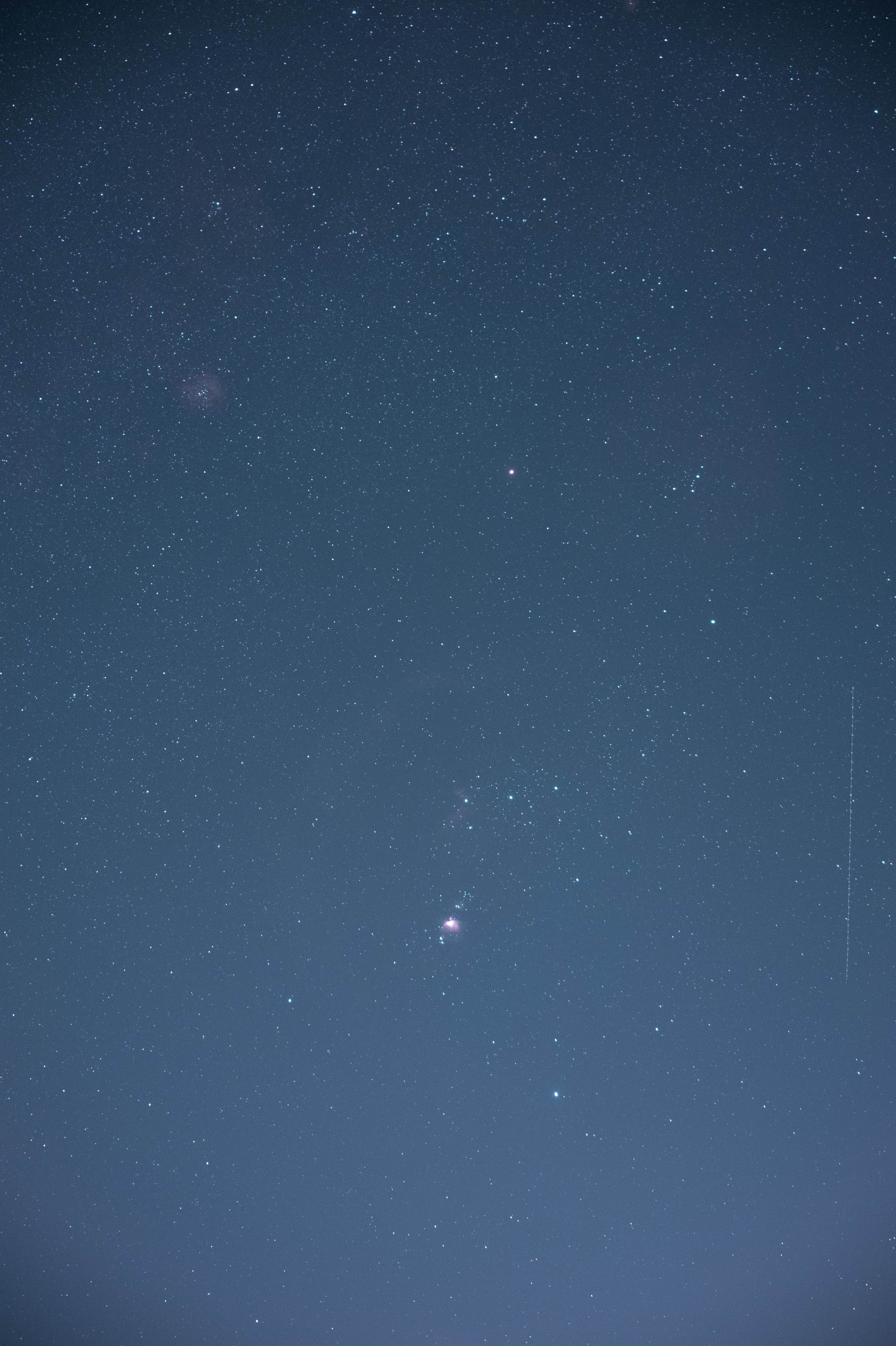
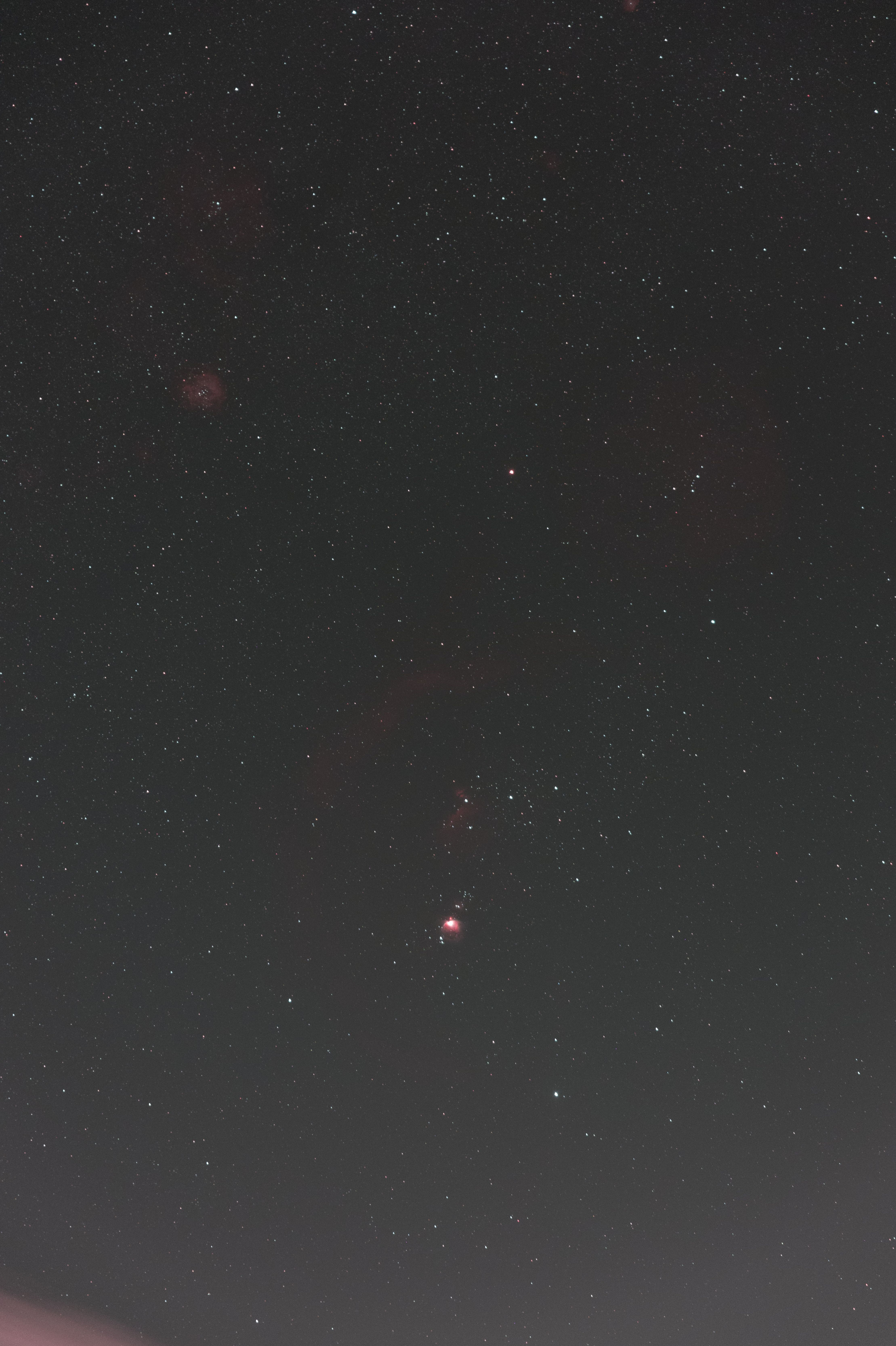
When looking at the filtered RAWs, the NBZ and the NB12 are very similar, but not as identical as the passband graphs suggest. Whith a color temperature fixed at 3200K the contrast looks identical, but the NBZ seems to be a tad bluer.
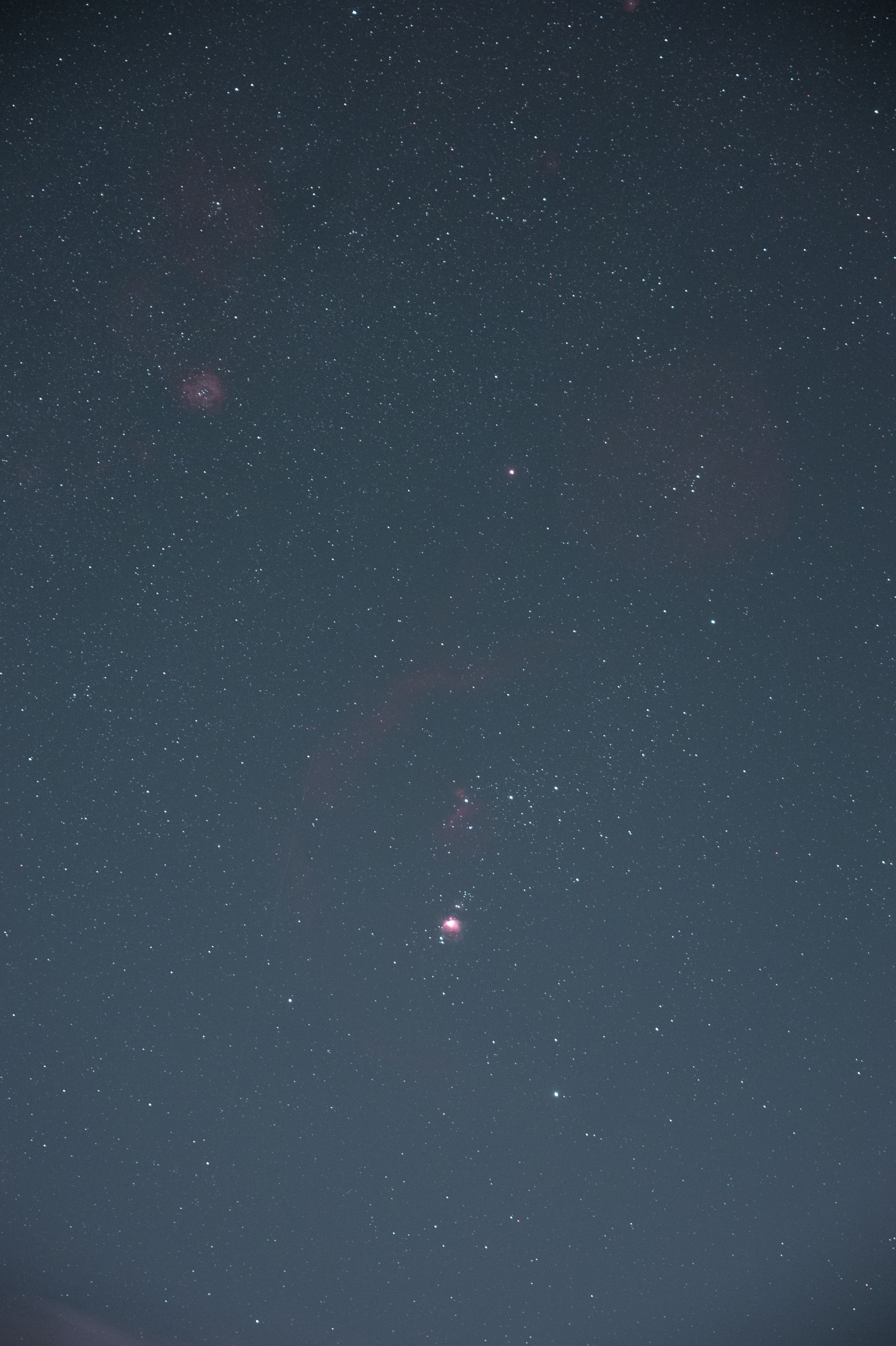
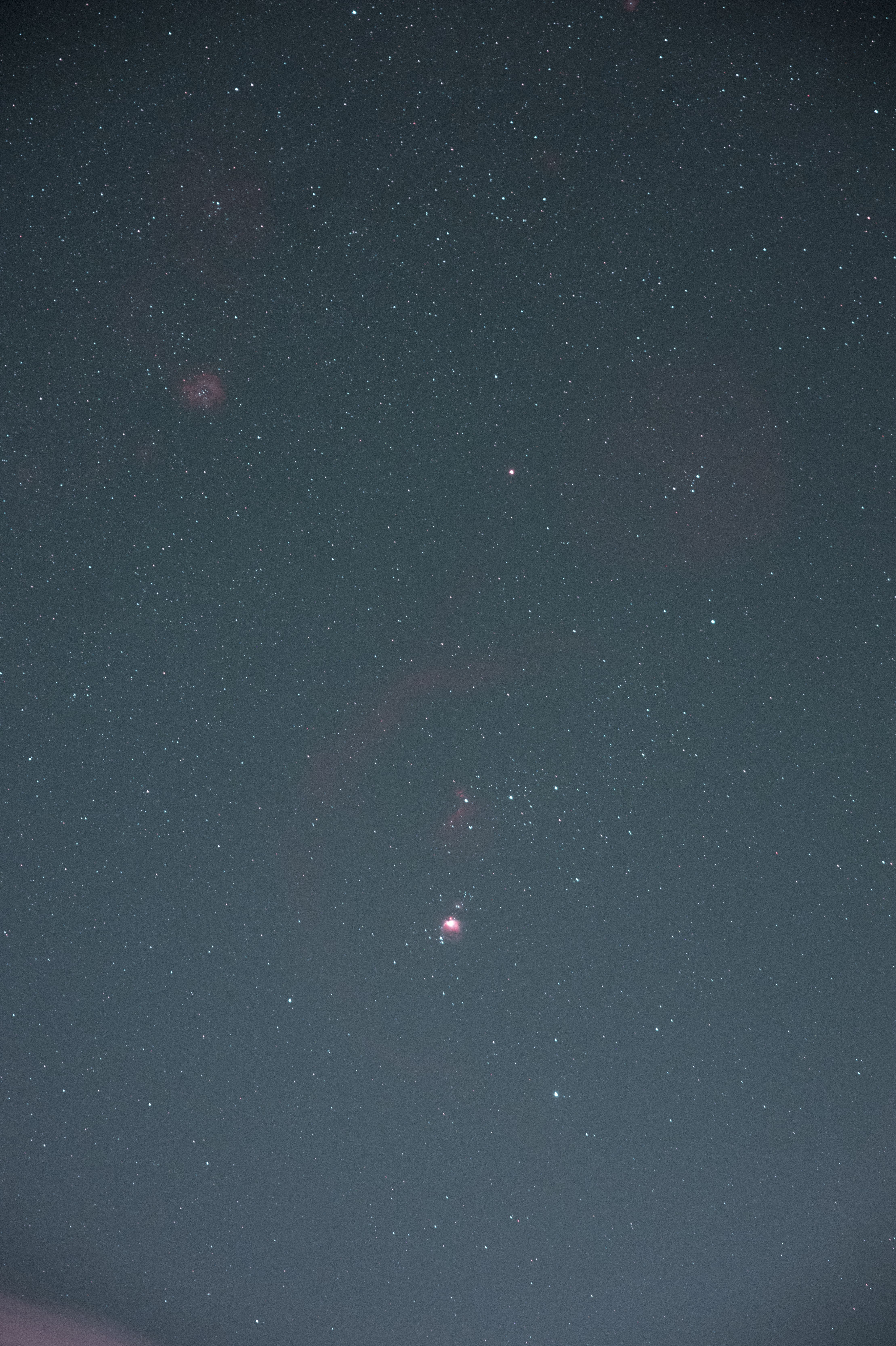
The NB1, on the other hand, is clearly brighter, bluer and shows less contrast. Due to the broader passband, this was to be expected, of course. The NB1 blocks a full stop less light than the NB12 and the NBZ. In this exapmple, the exposure time for the NB1 was only half as long as for the NB12 (45s @ ISO3200 vs 90s @ ISO3200).
Color Balanced Images
After matching the color balance of the filtered images, the difference between the NBZ and the NB12 seems mostly gone.
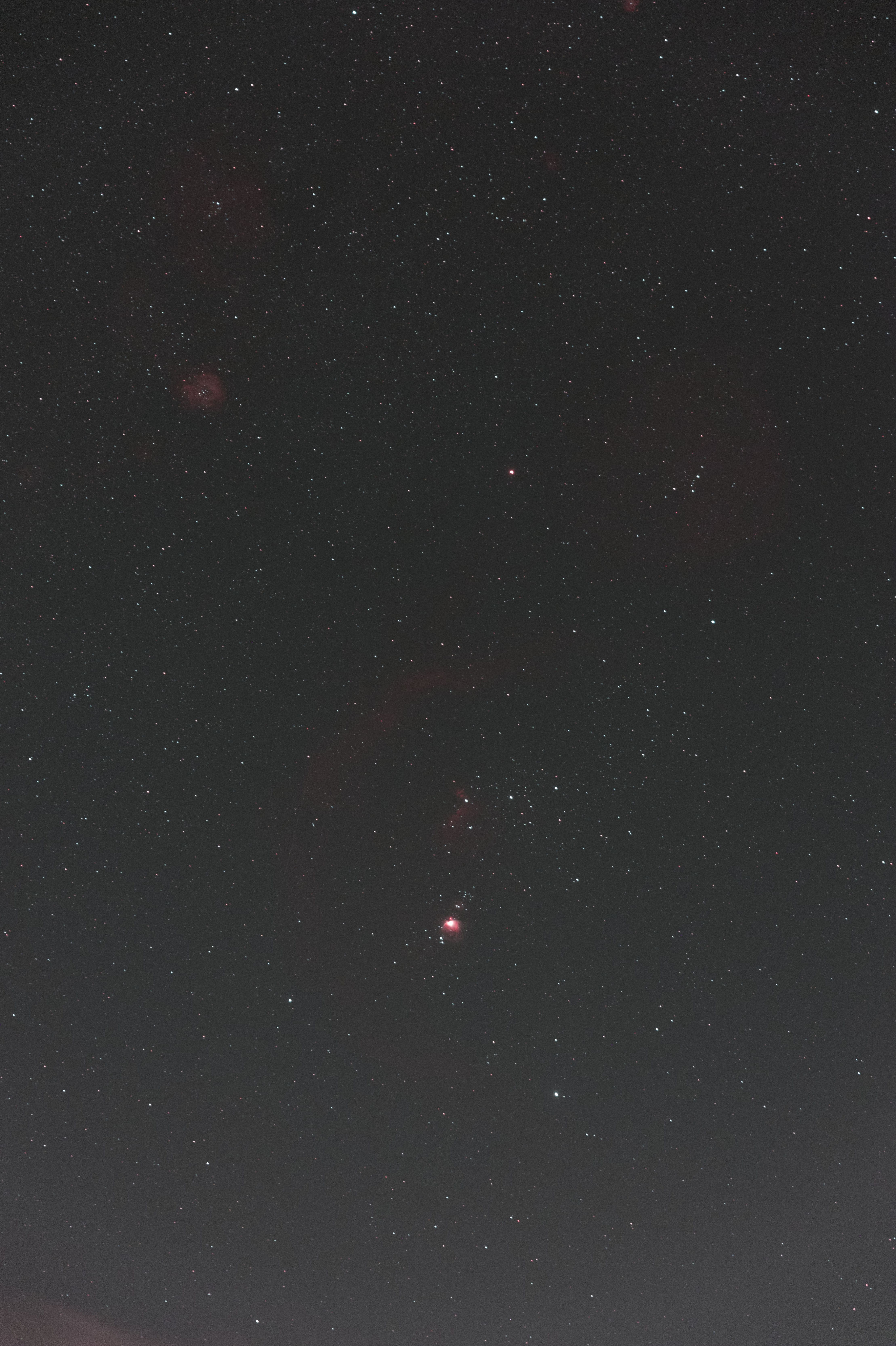
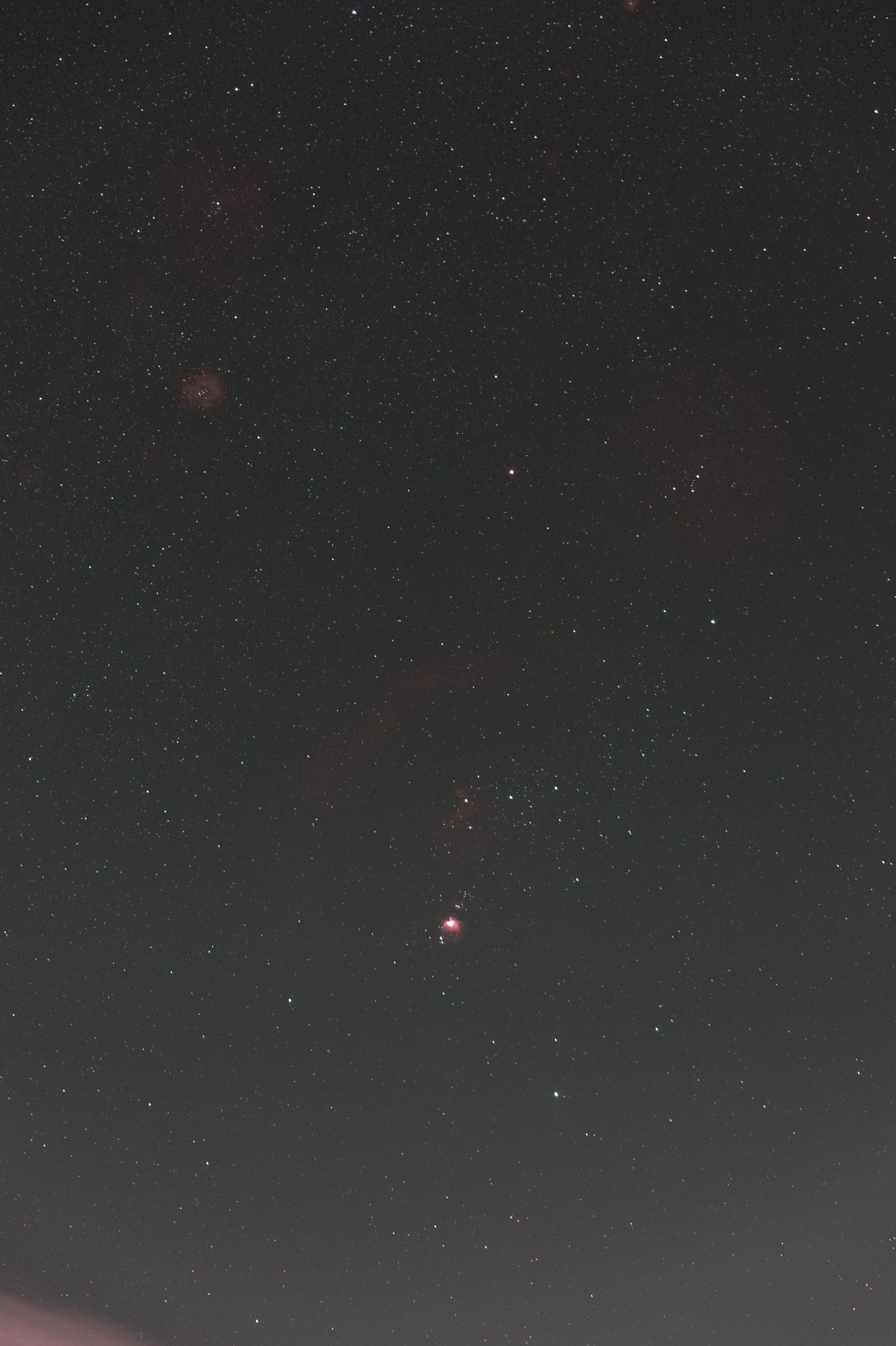
The NB1, which I have balanced for brightness too, shows considerably less contrast of the H-alpha nebulae compared to the background sky. Again, this is no surprise.
Processed images
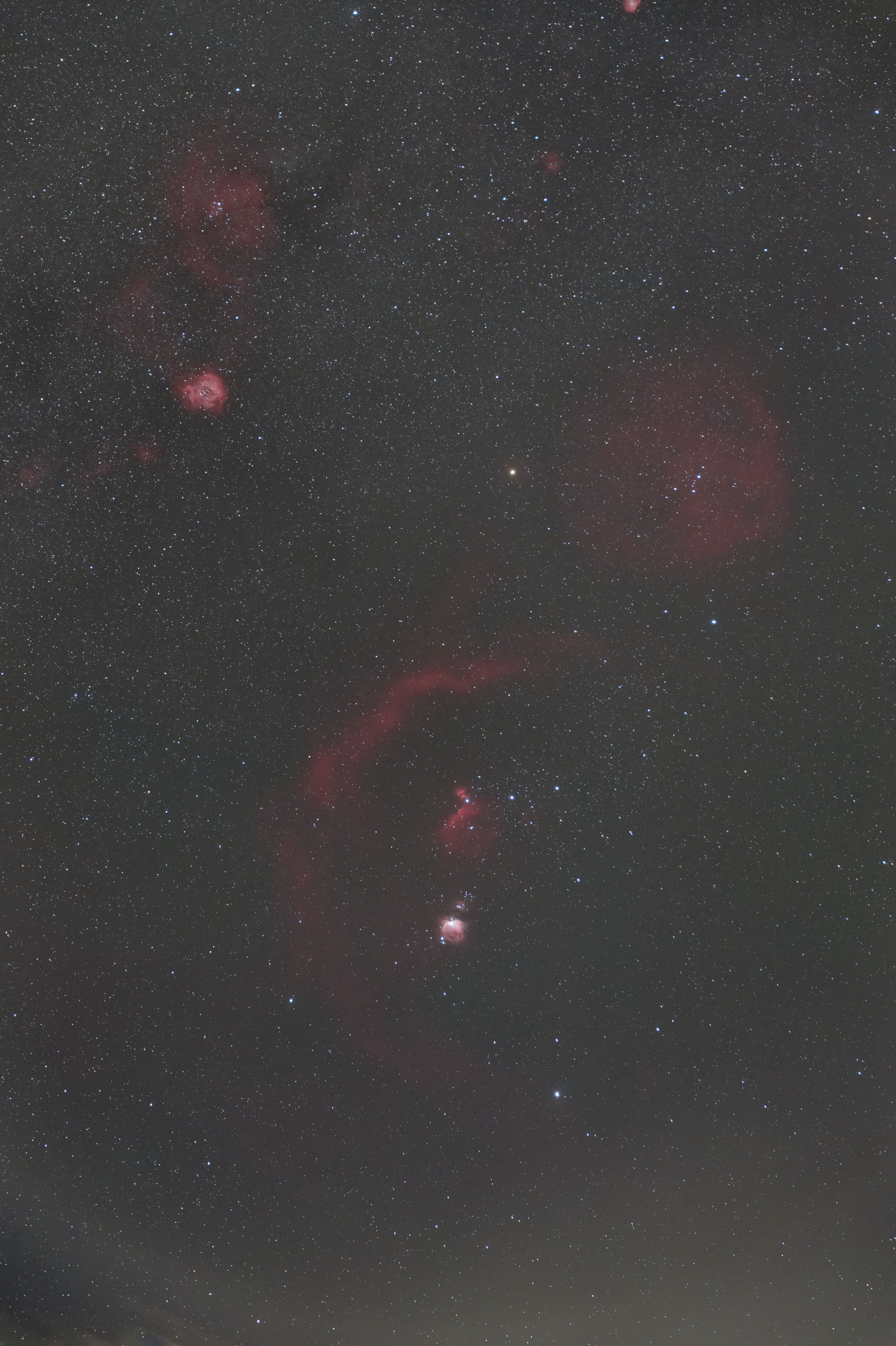
After applying an identical and realistic processing workflow, the ODW/NBZ and the Clear/NB12 results still look almost identical. I think I can see an extremely small amount of higher contrast in the NBZ frames, but I cannot confidently say if this is caused by the filter itself or the slightly changed shooting conditions, as I shot the NB12 subs 16min later and, therefore, a few degrees lower in the sky with more light pollution.
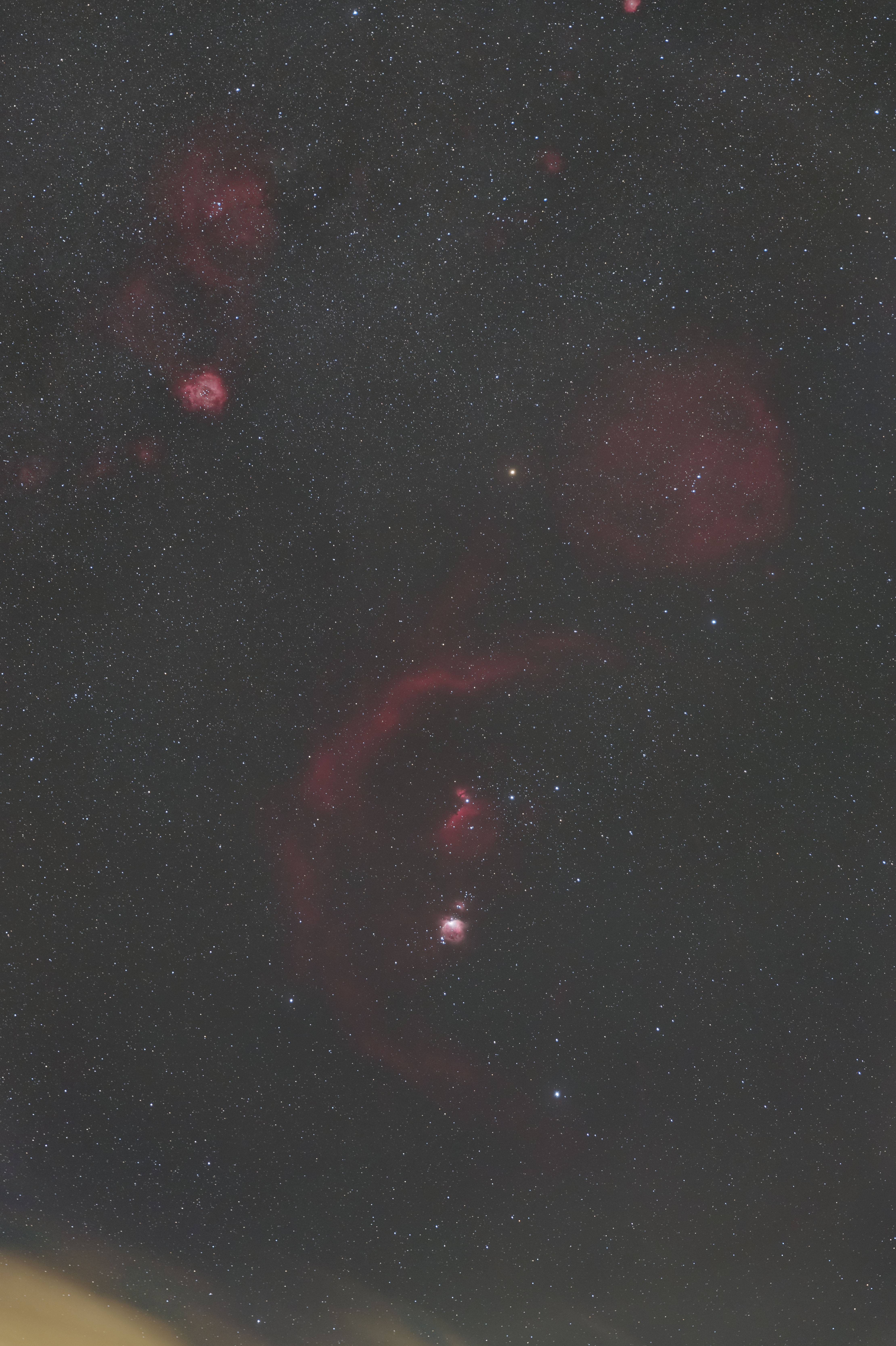
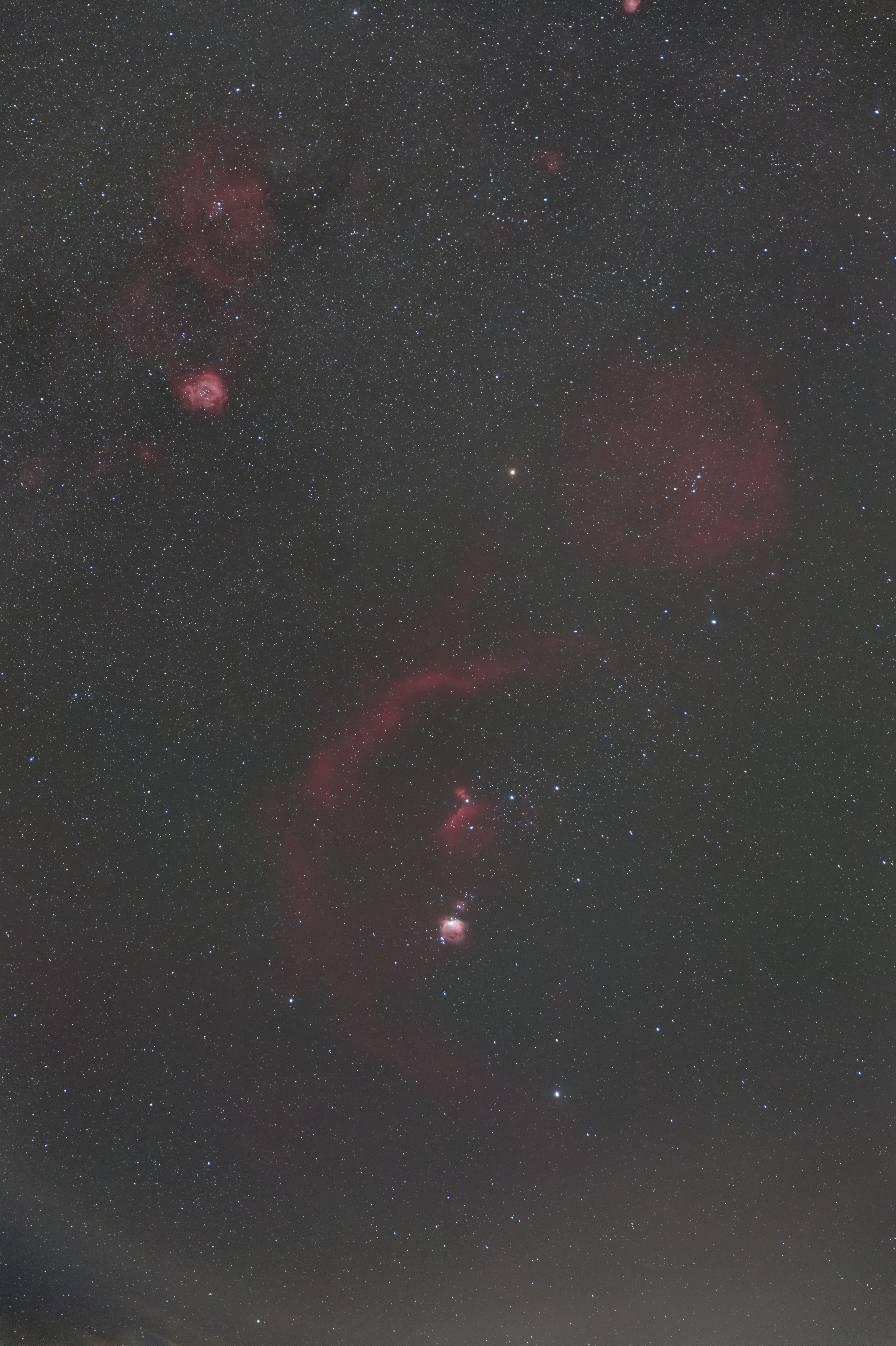
The NB1 images again show less separation between the emission nebulae and the background sky.
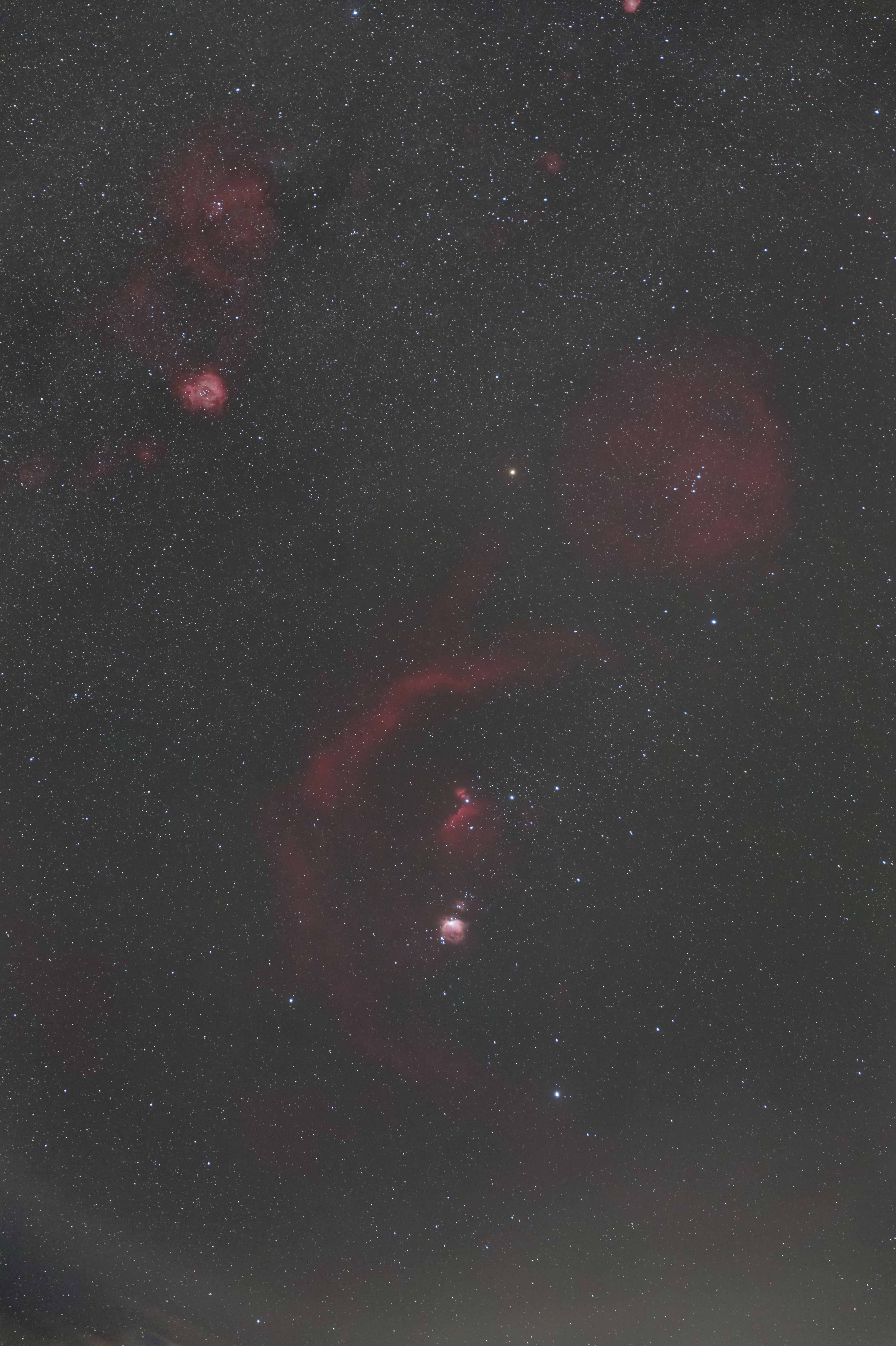
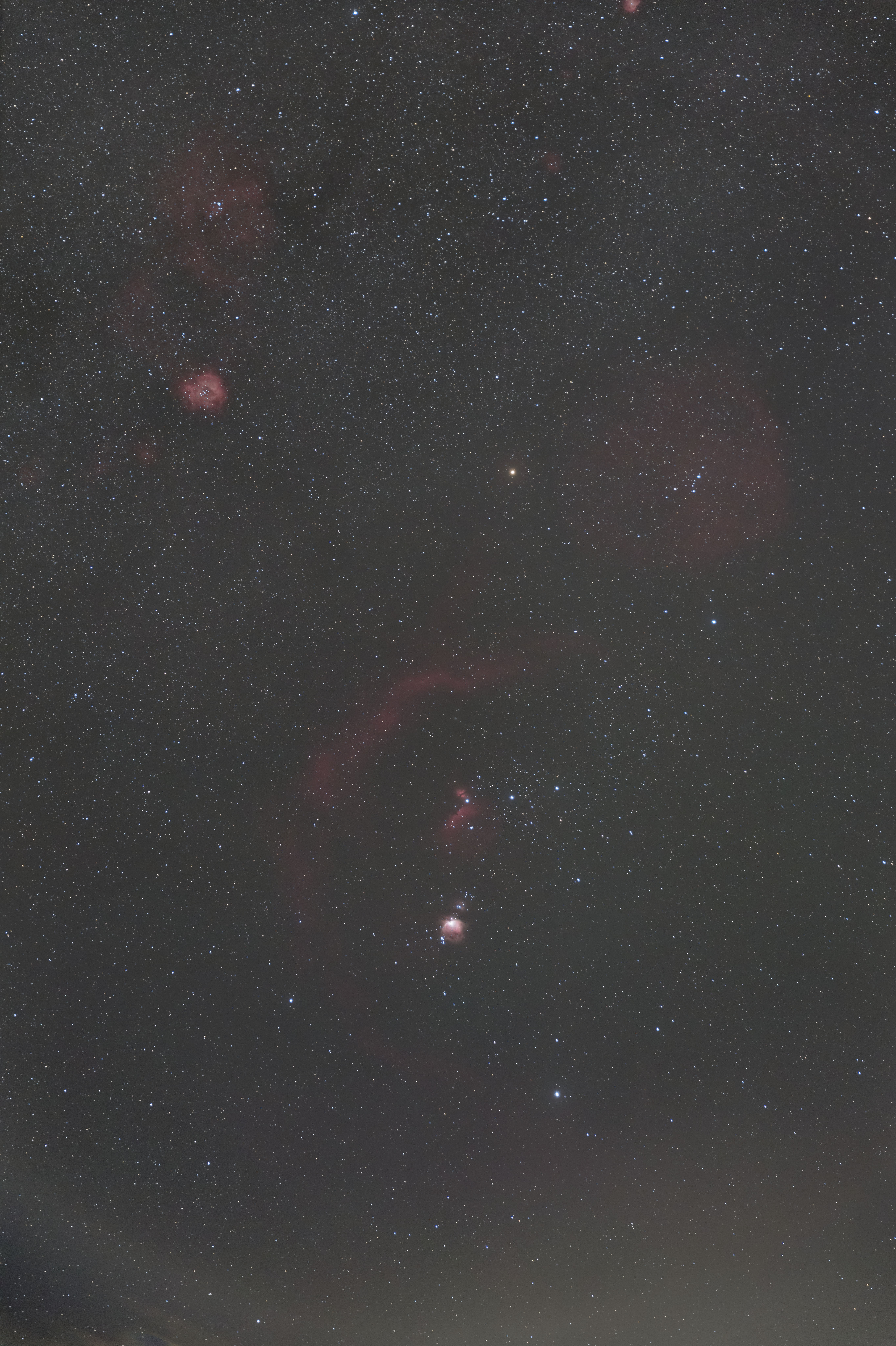
Even though it is not the topic of this article, I still think it is worth showing the difference between the HaRGB images and the identically processed, unfiltered RGB images, which, despite the astro-modified camera, only shows a hint of H-alpha data when shooting from my light polluted backyard. The unfiltered image could certainly be stronger processed to reveal some more of the red emission nebulae, but that would also cause more noise and image artefacts.
What about Halos?
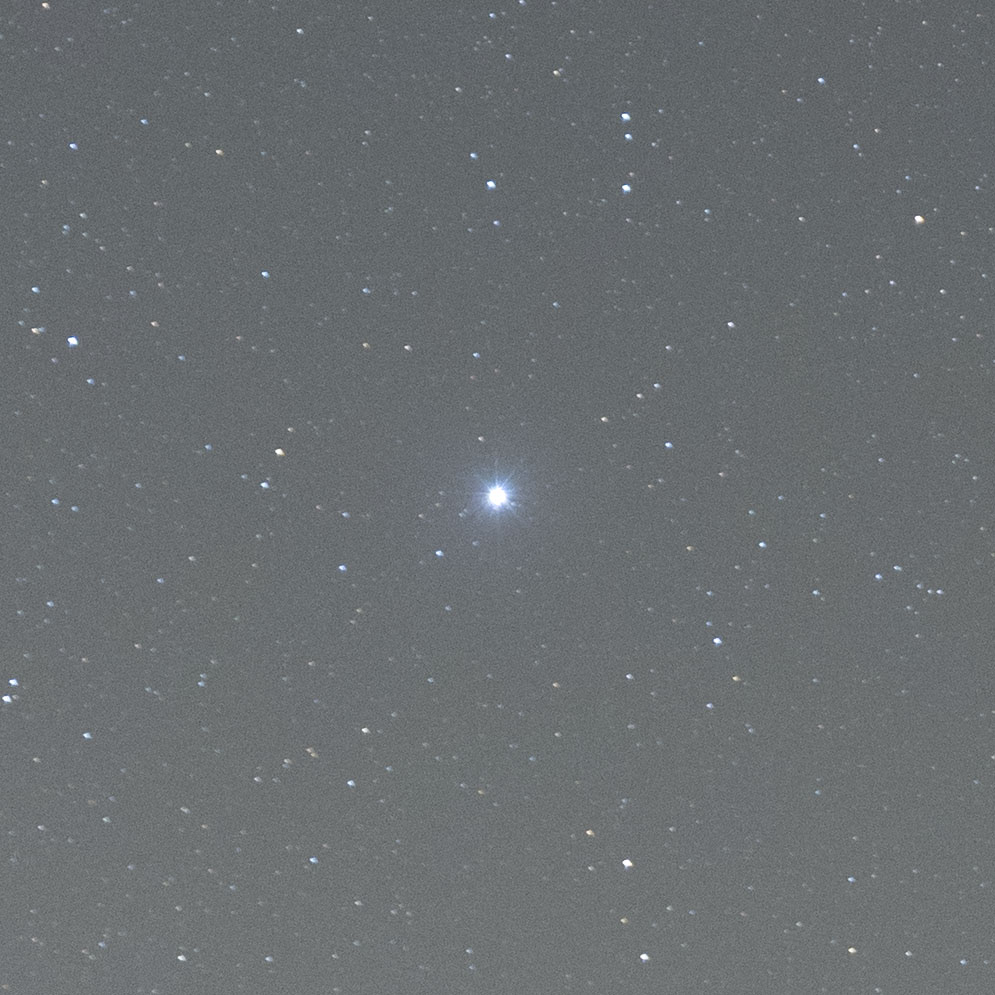
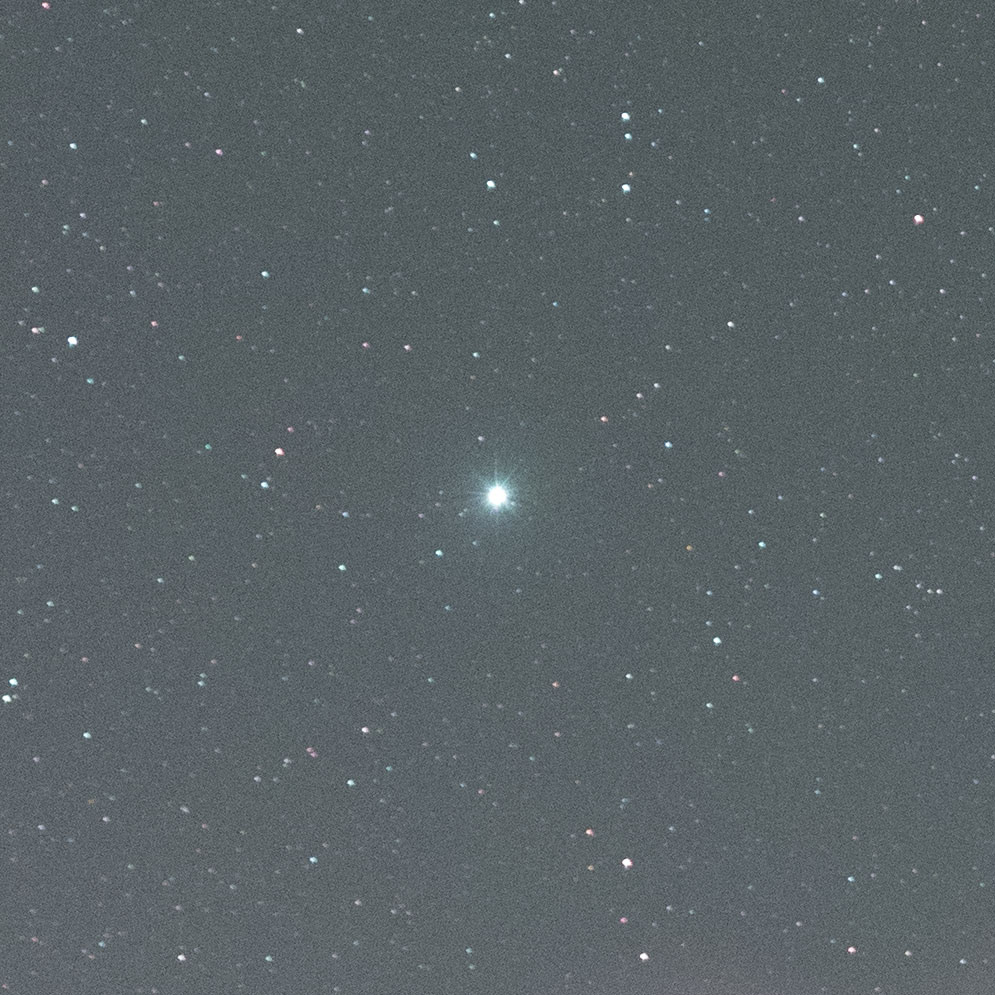
Filters can cause ugly halos around bright stars and some narrowband filters are known to have this problem. What about the NB12? In the 100% crops below, I captured Sirius, the brightest star of the night sky, in the corner of the frame. As you can see, neither the Canon Clear filter, nor the IDAS NB12 causes any halos. Great! I am happy to see that halos are a non-issue.
Conclusion
The IDASmio NB12 DR is an extremely exciting addition to the narrowband filters available for Canon mirrorless cameras. Especially the fact that it can be used with the native Canon EF-EOS R drop-in adapter is a real game changer. With this combination, any RF-mount camera can capture narrowband subs while keeping full electronic control of all EF-mount lens functions. Contrary to the current IDAS NBZ adapter, it is possible to control aperture and record EXIF data.
Of course this solution still keeps all the advantages of a drop-in adapter. Filter changes are done in a matter of seconds and do not require refocusing, as the NB12 is perfectly parfocal with the native Canon Clear Filter. This also ensures that back focus distance is always correct. Contrary to clip-in solutions, this avoids aberrations, like squashed stars near the image edges.
While I think that the specs of the IDAS NBZ and the NB12 are not as identical as the official graphs suggest, they are negligible in a real life environment. If you have been thinking about getting an NBZ filter, but the shied away because of the less than perfect third party adapter, that reason has gone for good with the NB12.
The NB12 is also much more effective than the NB1, which so far has been one of the few solutions for the native Canon drop-in adapter.
To sum this up, I think that the NB12 is the best narrowband solution for Canon RF-mount cameras in connection with photographic lenses. It is the way to go if you plan to combine narrowband data with landscape astrophotography.
 Skypointer Photography Blog